Jordanes
GETICA
siveDe Origine Actibusque Gothorum
with “classicized” grammar, normalized spelling and some emendations
by
Þeedrich Yeat
| Romana ⇐ (Complete) |
First Half | Getica Second half ⇒ |
| 1 | 2 | 3 | 4 | 5 | 6 | 7 | 8 |
| 9 | 10 | 11 | 12 | 13 | 14 | 15 | 16 |
| 17 | 18 | 19 | 20 | 21 | 22 | 23 | 24 |
| 25 | 26 | 27 | 28 | 29 | 30 | 31 |
Although Jordanes tells us (# 266) that he is of Gothic descent and may indeed be partly or even fully a Goth, his name itself is not Germanic. He explains toward the end of chapter 49 that his grandfather was called Farja and his father Wiha-moð, both Gothic names, and that his grandfather had been secretary to the Alan leader Candac and he himself secretary to the Ostrogothic chieftain Gunþi-gis before his “conversion” (perhaps from Arianism to Catholicism). The name of one Jordanes Crotonensis, bishop of Crotona (now Cotrone) in Bruttium (southern Italy) is found, with those of several other bishops, appended to a document sometimes called the Damnatio Theodori, issued by pope Vigilius in August 551 at Constantinople. Jordanes’ history of the Goths (also called the Getica ) includes in part a summation of a 12-volume history by Senator Cassiodorus, “On the Origin and Deeds of the Goths from Long Ago and Descending through Generations and Kings to Now.” Even if not a bishop, Jordanes was at least a monk or similar ecclesiastic, and wrote his own work in Constantinople in A.D. 551 under Emperor Justinian of Byzantium (527-565), during which time Pope Vigilius himself happened to be in Constantinople by order of the Emperor. Jordanes dedicated his work to another man of religion, an otherwise unknown “brother Castalius” (or “Castulus”). To judge from his extremely negative attitude toward Arian Christianity (a heresy started by a priest named Arius), it is very likely that Jordanes had himself once been an Arian like most of the Goths, and that he had later converted to Catholicism. The Getica was written after beginning and before finishing a similar work on Roman history, the Romana, dedicated to a certain “most noble brother Vigilius” (probably not the pope of that name). By 551 the Gothic kingdom established by Theodoric (Þiuda-reik) had been destroyed, and the Western Roman Empire was disintegrating rapidly. The main aim of both treatises was to show how even the greatest structures of human power on this earth — whether Gothic or Roman — are transient and deceptive, and that man can find lasting peace in God alone. I have also translated and included the final sections of Jordanes’ Romana (## 367-388), portions which treat of Emperor Justinian’s war against the Goths in Italy and which both supplement and recapitulate some of the material found in the Getica. Senator Cassiodorus very likely destroyed his own 12-volume work because it had been written during the reign of Theodoric (493-526) and had treated the Goths very favorably, but shortly after Theodoric’s death the political climate had changed and Cassiodorus, formerly Theodoric’s Chief of Staff, now found himself in Constantinople, the seat of anti-Gothic sentiment. To avoid being seen as an enemy of the Empire, he therefore probably eliminated any traces of his former allegiance, which included his volumes on the Goths. Jordanes was in fact able to read the work only through the good graces of Cassiodorus’ steward, not Cassiodorus himself. Of this, James J. O’Donnell, in his web-published “The Aims of Jordanes,” observes that Jordanes “has only managed to lay his hands on the twelve books of Cassiodorus for three days and now must write from memory. The plain sense of the business about the steward is that Cassiodorus was not inclined to cooperate with such a project at this time and that it was carried out without his knowledge.” Jordanes’ work, which may be seen as a kind of obituary of the Gothic nation, contains a number of elements surprising and interesting to the modern reader. Besides its extensive portrayals of Attila the Hun and his battles (especially the historic battle of the Catalaunian Fields), it includes (Second Half, sections 237/8) one of the earliest references to the original “King Arthur,” known here as “Riotimus” (from Celtic *Rigo-tamus “King-most,” “Supreme king,” later literarily confused with a Latin name, Artorius). Likewise, many of the events and dramatis personae sung about in the epic lays and sagas of the later Germanic north are described here as they originally happened. Above all, the ceaseless battles and unending bloodshed described here give us some idea of just what the decline of a civilization entails. To follow the wanderings and adventures of the Goths, the best available atlas is the Barrington Atlas of the Greek and Roman World, edited by Richard J.A. Talbert (Princeton: Princeton University Press, 2000). This excellent volume is based on work by many scholars using both archeology and satellite-generated aeronautical charts to depict the ancient landscape as it was in the days of the Roman Empire, and is an immense help in understanding the topography of Europe traversed by the Goths. The Getica contains four main divisions: 1) a Geographical Introduction; 2) the United Goths; 3) the Visigoths; 4) the Ostrogoths. These sections are interspersed with sundry digressions of various sorts. The following texts are as follows: The Latin is based on that of Theodore Mommsen, Monumenta Germaniae Historica, which I have modified extensively for easier reading, since Jordanes’ own text is anything but “classical” in form. Many of the changes I have made in case endings are taken from the source Mommsen designates as “A,” meaning a codex of the 11th/12th century from the Ambrosian library in Milan, Italy. (“A” contains a number of other histories besides Jordanes, and it “corrects” many of the grammatical mistakes of the original from which it was copied.) Other changes are my own, such as substituting, in the interest of clarity in an often unclear Latin text, the form quum for the conjunction cum to distinguish it from the preposition cum. Likewise I have substituted the letter “J” for consonantal “I” and “æ” for “ae” as well as “œ” for “oe,” et cetera. The English is, with some exceptions, mainly that of Charles Christopher Mierow, Ph.D., 1915, altered in particular with respect to Germanic and especially Gothic names, all of which I have normally presented in modified Visigothic format (e.g., ð for the voiced labio-dental fricative instead of Biblical Visigothic d, -ing- for -igg-) for the sake of consistency. Also helpful in many instances was the sometimes more literal German translation by Dr. Wilhelm Martens, Jordanis Gotengeschichte, nebst Auszügen aus seiner Römischen Geschichte, herausgegeben von Alexander Heine, 1914, now available from the Phaidon Verlag in Essen, Germany. Other modifications will be obvious to the reader.
A few names which Jordanis uses are clearly mangled from those of much earlier historical characters. Some typical examples are “Dicineus” for “Decæneus” (§39), “Vesosis” for the original “Sesostris” (§§44, 47) and “Tanausis” for the original “Tanaos” (§47, 48). I have substituted the original forms of the names in both the Latin and the English. The grammar of the Latin, as found in the various manuscripts, is, frankly, a mess. An earlier editor, Karl Augustus Closs, in his Jordanis de Getarum sive Gothorum Origine et Rebus Gestis, Stuttgart, 1861, pp. ii-iii, complains of “grassatum esse et temporis vim injuriamque, et libariorum hominum incuriam negligentiam, stuporem, inscitiam, quandoque etiam licentiam” (“the criminal spreading of both the force and damage of time, and the inattentiveness of copyists, their negligence, stupor, ignorance and sometimes even their willfulness”). A small example, chosen at random, is the form Mommsen (1882) prints as expertes in VI, 69. As it stands, this form is the accusative plural of expers, “having no part in, not sharing in, destitute of,” but what is clearly meant (and actually appears in some of the lesser manuscripts) is expertos, masculine accusative plural of expertus “knowledgeable, experienced, proven (in)” (which takes the genitive case), the adjectivalized past participle passive of experiri “to (put to the) test; learn/know by trial and experience.” The meaning of the sentence in which the word is embedded is clearly “By instructing them in logic, he (Decænus) made them skilled in reasoning beyond other peoples,” not “destitute/shorn of.” Closs shows expertos, but Mommsen, judging by the weight of the otherwise best manuscripts, has expertes. In the following HTML version, the choice followed by Closs is used, since the purpose here is to present a text which presents as few difficulties as possible to readers of Latin who are not specialists in the field. There are a few instances where a suggestion made by Closs is used, such as, at XXX, 152, the substitution of sollicitationem (which I have translated as “plights”) for the manuscript pollicitationem (“promises”), since the latter word seems, as Closs notes, corrupt, given that Ala-reik had not “promised” anything but rather presented Emperor Honorius with the horns of a dilemma. This HTML edition is made not for scholars but for the general reader interested in European and Germanic history. It is, accordingly, not a “diplomatic” text (for which, see Mommsen) as found in the manuscripts, but, as already mentioned, a largely “emended” and “normalized” one, with misspellings corrected, missing case endings resupplied, etc. Finally, the punctuation follows American English conventions, not European ones. The extant manuscripts of Jordanes show a great deal of variation, confusion and inconsistency in the orthography of non-Graeco-Roman names (and, sometimes, even of classical Latin ones). Because of this, the spelling of most Germanic (Gothic, Frankish, Vandal, etc.) names is taken from M. Schönfeld, Wörterbuch der altgermanischen Personen- und Völkernamen, nach der Überlieferung des klassischen Altertums bearbeitet, zweite, unveränderte Auflage (Darmstadt: Wissenschaftliche Buchgesellschaft, 1965):
In many cases where the Germanic names contained a /w/ (e.g., Wulfila, Amalaswinþo), the Latin alphabet had not yet developed a “double-U” (thus resulting in Vulfila, Amalasuentha, &c.); in such cases, the letter “W/w” is here employed. Given that the manuscripts often confuse the letters “b” and “v/u” (e.g., manuscript Danuvius XLII, 223 vs. Danubius elsewhere, or Bulsiniensis LIX, 306 vs. classical Volsiniensis, spellings here corrected), this should make the pronunciation of these names a bit clearer. The reader who is interested in the manuscript presentations of these names is encouraged to consult Mommsen’s edition. Ancient letters:
NOTE: Jordanes plagiarized the first sentences of his Getica from the preface of Tyrannius Rufinus of Aquileja to a translation of Origen’s commentary on Romans. The plagiarized parts are here italicized. A few notes have been interspersed which are translations from Byzantine Greek authors as given in The Fragmentary Classicizing Historians of the Later Roman Empire: Eunapius, Olympiodorus, Priscus and Malchus. Vol. II, Text, Translation and Historiographical Notes, by R.C. Blockley (Trowbridge, Wiltshire: Fancis Cairns, Redwood Burn Ltd, 1983). |
| DE ORIGINE ACTIBUSQUE GETARUM | THE ORIGIN AND DEEDS OF THE GOTHS | ||||
| 1 | |||||
| Volentem me parvo subvectum navigio oram tranquilli litoris stringere et minutos de priscorum, ut quidam ait, stagnis pisciculos legere, in altum, frater Castali, laxare vela compellis, relictoque opusculo quod intra manus habeo — id est, de abbreviatione Chronicorum — suades, ut nostris verbis duodecim Senatoris volumina de origine actibusque Getarum ab olim et usque nunc per generationes regesque descendentia in unum et hunc parvum libellum coartem. | Though it had been my wish to glide in my little boat by the shore of a peaceful coast and (as someone once said) to gather little fishes from the pools of the ancients, you, brother Castalius, bid me set my sails toward the deep. You urge me to leave the little work I have in hand — that is, an abridged version of the Chronicles — and to condense in my own words in this one small book the twelve volumes of the Senator {Cassiodorus} on the origin and deeds of the Goths from olden time all the way to the present, descending through the generations of the kings. | ||||
| 2 | |||||
| Dura satis imperia et tanquam ab eo qui pondus operis hujus scire nollit imposita. Nec illud aspicis, quod tenuis mihi est spiritus ad implendam ejus tam magnificam dicendi tubam: super omne autem pondus, quod nec facultas eorundem librorum nobis datur, quatenus ejus sensui inserviamus, sed — ut non mentiar — ad triduanam lectionem, dispensatoris ejus beneficio, libros ipsos antehac relegi. Quorum, quamvis verba non recolo, sensus tamen et res actas credo me integre retinere. | Truly a hard command, and imposed by one who seems unwilling to realize the burden of the task. Nor do you note this, that my breath is too slight to fill so magnificent a trumpet of speech as his. But above every burden is the fact that I have no access to his books that I may follow his thought. Still — and let me lie not — some while ago I read the books a second time by his steward’s loan for a three days’ reading. The words I recall not, but the sense and the deeds related I think I retain entire. | ||||
| 3 | |||||
| Ad quos et ex nonnullis historiis Græcis ac Latinis addidi convenientia, initium finemque et plura in medio mea dictione permiscens. | To this I have added fitting matters from some Greek and Latin histories. I have also put in an introduction and a conclusion, and have inserted many things of my own authorship. | ||||
| Quare, sine contumelia quod exegisti suscipe libens, libentissime lege ; et si quid parum dictum est et tu, ut vicinus genti, commemoras, adde — orans pro me, frater carissime. Dominus tecum. Amen. | Wherefore reproach me not, but receive and read with gladness what you have asked me to write. If aught be insufficiently spoken and you remember it, do you as a neighbor to our race add to it, praying for me, dearest brother. The Lord be with you. Amen. | ||||
|
I (Geographical Introduction) 1 |
|||||
| Majores nostri, ut refert Orosius, totius terræ circulum Oceani limbo circumsæptum triquetrum statuerunt, ejusque tres partes Asiam, Europam et Africam vocaverunt. De quo tripertito orbis terrarum spatio innumerabiles pæne scriptores exsistunt, qui non solum urbium locorumve positiones explanant, verum etiam — et quod est liquidius — passuum miliariumque dimetiuntur quantitatem. Insulas quoque, marinis fluctibus intermixtas, tam majores quam etiam minores quas Cycladas vel Sporadas cognominant, in immenso maris magni pelago sitas determinant. | Our ancestors, as Orosius relates, were of the opinion that the circle of the whole world was surrounded by the girdle of Ocean on three sides. Its three parts they called Asia, Europe and Africa. Concerning this threefold division of the earth’s extent there are almost innumerable writers who not only explain the locations of cities and places, but also measure out the number of miles and paces to make it clearer. Moreover they locate the islands interspersed amid the waves, both the greater and also the lesser islands, called Cyclades or Sporades, as situated in the vast flood of the Great Sea. | ||||
| 5 | |||||
| Oceani vero intransmeabiles ulteriores fines non solum describere quis aggressus non est, verum etiam nec cuiquam licuit transfretare quia, resistente ulva, et ventorum spiramine quiescente, impermeabilis esse sentitur et nulli cognita nisi Ei Qui eam constituit. | But the impassable farther bounds of Ocean not only has no one attempted to describe, but no man has been allowed to reach; for by reason of obstructing seaweed and the failing of the winds it is plainly inaccessible and is unknown to any save to Him Who made it. | ||||
| 6 | |||||
| Citerior vero ejus pelagi ripa, quam diximus totius mundi circulum, in modum coronæ ambiens fines ejus, curiosis hominibus et qui de hac re scribere voluerunt perquaquam innotuit, quia et terræ circulus ab incolis possidetur et nonnullæ insulæ in eodem mare habitabiles sunt, ut in orientali plaga et Indico Oceano Hippodes, Iamnesia, Sole Perusta (quamvis inhabitabilis, tamen omnino sui spatio in longo latoque extensa); Taprobane quoque, exceptis oppidis vel possessionibus, decem munitissimis urbibus decora ; | But the nearer border of this sea, which we call the circle of the world, surrounds its coasts like a wreath. This has become clearly known to men of inquiring mind everywhere, even to such as desired to write about it. For not only is the coast itself inhabited, but certain islands off in the sea are habitable. Thus there are to the East in the Indian Ocean, Hippodes, Iamnesia, Sole Perusta {“Sunbake”} (which though not habitable, is yet of great length and breadth) and also Taprobane {Šri Lanka}, a fair island adorned with ten strongly fortified cities, not counting the towns or estates. | ||||
| 7 | |||||
| sed et aliæ omnino nominatissimæ, Silefantina, nec non et Theron — licet non ab aliquo scriptore dilucidæ, tamen suis possessoribus affatim refertæ. | But there are yet others: the very famous Silefantina, and Theros also. These, though not celebrated by any writer, are nevertheless well filled with inhabitants. | ||||
| Habet in parte occidua idem Oceanus aliquantas insulas et pæne cunctis ob frequentiam euntium et redeuntium notas. | This same Ocean has in its western region certain islands known to almost everyone by reason of the great number of those that journey to and fro. | ||||
| Et sunt juxta fretum Gaditanum haud procul una, Beata, et alia quæ dicitur Fortunata. | And there are two not far from the neighborhood of the Strait of Gades, one the Blessed Isle and another called the Fortunate. | ||||
| Quamvis nonnulli et illa gemina Gallæciæ et Lusitaniæ promuntoria inter Oceani insulas ponant, in quorum uno Templum Herculis, in alio Monumentum adhuc conspicitur Scipionis — tamen, quia extremitatem Gallæciæ terræ continent, ad terram magnam Europæ potius quam ad Oceani pertinent insulas. | Although some reckon as islands of Ocean the twin promontories of Galicia and Lusitania, where are still to be seen the Temple of Hercules on one and Scipio’s Monument on the other, yet since they encompass the extremity of the Galician country, they belong rather to the great land of Europe than to the islands of Ocean. | ||||
| 8 | |||||
| Habet tamen et alias insulas interius in suo æstu quæ dicuntur Baleares, habetque et aliam Menaviam, nec non Orcadas numero XXXIII quamvis non omnes excultas. | However, it has other islands deeper within its own tides, which are called the Baleares; and yet another, Menavia {the Isle of Man in the Irish Sea}, as well as the Orcades {the Orkneys}, 33 in number, though not all inhabited. | 9 | |||
| Habet et in ultimo < fine > plagæ occidentalis aliam insulam nomine Thule, de qua Mantuanus inter alia: “tibi serviat ultima Thule.” [Vergilius, Georgica 1,30] Habet quoque id ipsum immensum pelagus in parte arctoa — id est, septentrionali — amplam insulam nomine Scandiam, unde Nobis sermo (si Dominus juvaverit) est assumendus ; quia gens cujus originem flagitas ab hujus insulæ gremio velut examen apium erumpens in terram Europæ advenit ; quomodo vero aut qualiter, in subsequentibus (si Dominus donaverit) explanabimus. |
And at the farthest bound of its western expanse it has another Island named Thule {Mainland, the largest of the Shetland Islands north of Britain}, of which the Mantuan bard makes mention:
“And Farthest Thule shall serve thee.” [Virgil, Georgics 1,30] The same mighty sea has also in its arctic region, that is in the north, a great island named Scandia, from which my tale (by God’s grace) shall take its beginning. For the race whose origin you ask to know burst forth like a swarm of bees from the midst of this island and came into the land of Europe. But how or in what wise we shall explain hereafter, if it be the Lord’s will. |
||||
| II 10 |
|||||
| Nunc autem de Britannia insula, quæ in sinu Oceani inter Hispanias, Gallias et Germaniam sita est, ut potuero, paucis absolvam. | But now let me speak briefly as I can concerning the island of Britain, which is situated in the bosom of Ocean between Spain, Gaul and Germany. | ||||
| Cujus licet magnitudinem olim nemo, ut refert Livius, circumvectus est, multis tamen data est varia opinio de ea loquendi. | Although Livy tells us that no one in former days sailed around it because of its great size, yet many writers have held various opinions of it. | ||||
| Quam, diu siquidem armis inaccessam, Romanis Julius Cæsar prœliis, ad gloriam tantum quæsitis, aperuit ; pervia deinceps mercimoniis aliasque ob causas multis facta mortalibus, non indiligenti quæ secuta est ætati certius sui prodidit situm — quem, ut a Græcis Latinisque auctoribus accepimus, persequimur. | Although long unapproached by Roman arms, Julius Cæsar opened it up by battles fought for mere glory. Having been made accessible from then on to many people for trade and other purposes, it more clearly revealed its position to the busy period which followed — a position I shall here explain as I have found it in Greek and Latin authors. | ||||
| 11 | |||||
|
|||||
| Triquetram eam plures dixere consimilem, inter septentrionalem occidentalemque plăgam projectam, uno, qui magnus est, angulo Rheni ostia spectantem ; dehinc, correpta latitudine, oblique retro abstractam in duos exire alios ; geminoque latere longiorem Galliæ prætendi atque Germaniæ. | Most of them have said it is like a triangle pulled between north and west ; that at its obtuse angle it faces the mouths of the Rhine ; that from there, narrowing its widths, it tapers backwards on slants, ending in two other angles ; and that the longer coastline with its double legs stretches opposite Gaul and Germany. | ||||
| {Note} The island of Britain (Britannia insula): Pomponius Mela, Description of the World: Book III: “Around the World — the Circle of Ocean from the Pillars of Hercules,” Chapter 3 “Islands,” §§50f.: “Moreover, just as we have thought until now, Britain projects between the west and the north in a wide angle and looks toward the mouths of the Rhenus. It then draws its sides back obliquely, facing Gaul with one side, Germany with the other; then returning with a continuous line of straight shore on its rear side, Britain again wedges itself into two different angles — being triangular and very much like Sicily.” in: Pomponius Mela’s Description of the World, by Frank E. Romer. (Ann Arbor, Michigan: Univ. of Michigan Press, 1998, pp. 115f.) | |||||
| In duobus milibus trecentis decem stadiis latitudo ejus ubi patentior, longitudo non ultra septem milia centum triginta duo stadia fertur extendi ; | Its greatest breadth is said to be over two thousand three hundred and ten {2,310} stadia {= 265 miles (actually ~298 miles)}, and its length not more than seven thousand one hundred and thirty-two {7,132} stadia {= 820 miles (actually ~600 miles)}. | ||||
| 12 | |||||
| modo vero dumosa, modo silvestri jacere planitie, montibus etiam nonnullis increscere ; mari tardo circumflua, quod nec remis impellentibus facile cedat, nec ventorum flatibus intumescat — credo, quia remotæ longius terræ causas motibus negant ; quippe illic latius quam usquam æquor extenditur. | In some parts it lies fallow with briar thickets, in others with woods, and sometimes it rises into mountain peaks. The island is surrounded by a sluggish sea, which neither gives readily to the stroke of the oar nor runs high under the blasts of the wind. I suppose this is because other lands are so far removed from it as to cause no disturbance of the sea, which indeed is of greater width here than anywhere else. | ||||
| Refert autem Strabo, Græcorum nobilis scriptor, tantas illam exhalare nebulas, madefacta humo Oceani crebris excursibus, ut subtectus sol per illum pæne totum fœdiorem — qui « serenus » est — diem negetur aspectui. | Moreover Strabo, a famous writer of the Greeks, relates that the island exhales such mists from its soil, soaked by the frequent inroads of Ocean, that the sun is covered throughout the whole of their miserable sort of day that passes as fair, and so is hidden from sight. | ||||
| {Note} The sun is covered (subtectus sol): Strabo, Geography: Book IV, Chapter 5, §2: “Their weather is more rainy than snowy; and on the days of clear sky fog prevails so long a time that throughout a whole day the sun is to be seen for only three or four hours round about midday.” | |||||
| 13 | |||||
| Noctem quoque clariorem in extrema ejus parte minimamque, Cornelius etiam Annalium scriptor enarrat ; metallis plurimis copiosam, herbis frequentem et his feraciorem omnibus quæ pecora magis quam homines alant ; labi vero per eam multa quam maxima relabique flumina, gemmas margaritasque volventia. | Cornelius also, the author of the Annals, says that in the farthest part of Britain the night gets brighter and is very short. He also says that the island abounds in metals, is well supplied with grass and is more productive in all those things which feed beasts rather than men. Moreover many large rivers flow back and forth through it, rolling along precious stones and pearls. | ||||
| Silurum colorati vultus ; torto plerique crine et nigro nascuntur ; Caledoniam vero incolentibus rutilæ comæ, corpora magna, sed fluvida: Gallis sive Hispanis, ut quibusque obtenduntur, assimiles. | The Silures have swarthy features and are usually born with curly black hair, but the inhabitants of Caledonia {= the Scottish Highlands} have reddish hair and large but flaccid bodies. They are like the Gauls or the Spaniards, according as they are opposite either nation. | ||||
| 14 | |||||
| Unde conjectavere nonnulli, quod ea < insula > ex his accolas contiguo vocatos acceperit. | Hence some have supposed that from these lands the island received its inhabitants, alluring them by its nearness. | ||||
| Inculti æque omnes populi regesque populorum ; cunctos tamen in Caledoniorum Mæatarumque cessisse nomina Dio auctor est, celeberrimus scriptor annalium. | All the people and their kings are alike wild. Yet Dio, a most celebrated writer of annals, assures us of the fact that they have all been combined under the name of Caledonians and Mæatæ. | ||||
| Virgeas habitant casas, communia tecta cum pecore, silvæque illis sæpe sunt domus. | They live in wattled huts, a shelter used in common with their flocks, and often the woods are their home. | ||||
| Ob decorem, nescio an aliam quamobrem, ferro pingunt corpora. | They tatoo their bodies with iron-red, whether by way of adornment or perhaps for some other reason. | ||||
| 15 | |||||
| Bellum inter se, aut imperii cupidine aut amplificandi quæ possident, sæpius gerunt, non tantum equitatu vel pedite, verum etiam bigis curribusque falcatis, quos more vulgari « essedas » vocant. | They often wage war with one another, either out of lust for dominance or to increase their possessions. They fight not only on horse back or on foot, but even with scythed two-horse chariots, which they commonly call “essedæ.” | ||||
| Hæc pauca de Brittaniæ insulæ forma dixisse sufficiat. | Let it suffice to have said thus much on the shape of the island of Britain. | ||||
| III 16 |
|||||
| Ad Scandiæ insulæ situm, quod superius {I, 9} reliquimus, redeamus. | Let us now return to the site of the island of Scandia, which we left above {I, 9}. | ||||
| |||||
| De hac etenim in secundo sui operis libro Claudius Ptolomæus, orbis terræ descriptor egregius, meminit dicens: « Est in Oceani arctoi salo posita insula magna, nomine Scandia, in modum folii citri, lateribus pandis, per longum ducta concludens se ». | Claudius Ptolemæus, an excellent describer of the world, has made mention of it in the second book of his work, saying: “There is a great island situated in the surge of the northern Ocean, Scandia by name, in the shape of a citron leaf, with bulging sides that taper down to a point at a long end.” | ||||
| De qua et Pomponius Mela in maris sinu Codano positam refert, cujus ripas influit Oceanus. | Pomponius Mela also makes mention of it as situated in the Codan Gulf {= one of the gulfs and bays around the Jutland peninsula (the Kattegat?)} of the sea, with Ocean lapping its shores. | ||||
| 17 | |||||
| Hæc a fronte posita est Vistulæ fluminis quod, Sarmaticis montibus ortum, in conspectu Scandiæ septentrionali Oceano trisulcum illabitur, Germaniam Scythiamque disterminans. | This island lies opposite the river Vistula, which rises in the Sarmatian mountains {the Carpathian range} and flows through its triple mouth into the northern Ocean in sight of Scandia, separating Germany and Scythia. | ||||
| Hæc ergo habet ab oriente vastissimum lacum in orbis terræ gremio, unde Vagi fluvius velut quodam ventre generatus in Oceanum undosus evolvitur. | The island has in its eastern part a vast lake in the bosom of the earth, whence the Vagus {perhaps the Gotaälv river flowing from the Vänern lake} river springs from the bowels of the earth and flows surging into the Ocean. | ||||
| Ab occidente namque immensu pelago circumdatur, a septentrione quoque innavigabili eodem vastissimo concluditur Oceano, ex quo quasi quodam bracchio exiente, sinu distento, Germanicum mare efficitur. [In margine codicis O: Hic gentes quæ carnibus tantum vivunt.] | And on the west it is surrounded by an immense sea. On the north it is bounded by the same vast unnavigable Ocean, from which the German Sea {the North Sea} is formed by means of a protruding bay as though by a kind of outstretched arm. [In the margin of manuscript O: Here there are peoples who live only on meat.] | ||||
| 18 | |||||
| Ubi etiam parvæ quidem, sed plures perhibentur insulæ esse dispositæ ad quas si congelato mari ob nimium frigus lupi transierint, luminibus feruntur orbari. Ita non solum inhospitalis hominibus, verum etiam beluis terra crudelis est. | Here also there are said to be many small islands scattered round about. If wolves cross over to these islands when the sea is frozen by reason of the great cold, they are said to lose their sight. Thus the land is not only inhospitable to men but cruel even to wild beasts. | ||||
| 19 | |||||
| In Scandia vero insula, unde nobis sermo est, licet multæ et diversæ maneant nationes, septem tamen earum nomina meminit Ptolemæus. Apium ibi turba mellifica ob nimium frigus nusquam repperitur. In cujus parte arctoa gens AlogiR {= Halogii} consistit, quæ fertur in æstate media quadraginta diebus et noctibus luces habere continuas, itemque brumali tempore eodem dierum noctiumque numero lucem claram nescire. | Now in the island of Scandia, whereof I speak, there dwell many and diverse nations, though Ptolemæus mentions the names of but seven of them. There the honey-making swarms of bees are nowhere to be found on account of the exceeding great cold. In the northern part of the island the race of the Halogians {= inhabitants of Halogaland in northern Norway} live, who are said to have continual light in mid summer for forty days and nights, and who likewise have no clear light in the winter season for the same number of days and nights. | ||||
| 20 | |||||
| Ita, alternato mærore cum gaudio, beneficio aliis damnoque impar est. | By reason of this alternation of sorrow and joy they are unlike other races in their blessings and sufferings. | ||||
| Et hoc quare? Quia prolixioribus diebus solem ad orientem per axis marginem vident redeuntem, brevioribus vero non sic conspicitur apud illos, sed aliter, quia austrina signa percurrit, et qui nobis videtur sol ab imo surgere, illos per terræ marginem dicitur circuire. | And why? Because during the longer days they see the sun returning to the east above the horizon at the north pole, but on the shorter days it is not seen among them; but instead, because it passes through the southern constellations, the sun, which to us seems to rise from below, is said to circle them along the horizon. | ||||
| 21 | |||||
| Aliæ vero ibi sunt gentes: Scrithifinni, qui frumentorum non queritant victum, sed carnibus ferarum atque ovis avium vivunt ; ubi tanta paludibus fetura ponitur, ut et augmentum præstent generi et satietatem ad copiam genti. | There also are other peoples. There are the Scriþi-Fennæ {= “Schreit-Finnen,” “Walking Finns,” i.e., “Skiing Finns, Lapps, Ski-users”}, who do not seek grain for food but live on the flesh of wild beasts and birds’ eggs; for there are such multitudes of young game in the swamps as to provide for the natural increase of their kind and to afford satisfaction to the needs of the people. | ||||
| {Note} Scrithifinni (Mommsen Screrefennae): Procopius, History of the Wars: Book VI: The Gothic War XV, 420f. (PROCOPIUS, with an English Translation by H.B. Dewing, London: William Heinemann Ltd., 1919): “But among the barbarians who are settled in Thule, one nation only, who are called the Scrithiphini, live a kind of life akin to that of the beasts. For they neither wear garments of cloth nor do they walk with shoes on their feet, nor do they drink wine nor derive anything edible from the earth. For they neither till the land themselves, nor do their women work it for them, but the women regularly join the men in hunting, which is their only pursuit. For the forests, which are exceedingly large, produce for them a great abundance of wild beasts and other animals, as do also the mountains which rise there. And they feed exclusively upon the flesh of the wild beasts slain by them, and clothe themselves in their skins, and since they have neither flax nor any implement with which to sew, they fasten these skins together by the sinews of the animals, and in this way manage to cover the whole body. And indeed not even their infants are nursed in the same way as among the rest of mankind. For the children of the Scrithiphini do not feed upon the milk of women nor do they touch their mother's breast, but they are nourished upon the marrow of the animals killed in the hunt, and upon this alone. Now as soon as a woman gives birth to a child, she throws it into a skin and straightway hangs it to a tree, and after putting marrow into its mouth she immediately sets out with her husband for the customary hunt. For they do everything in common and likewise engage in this pursuit together. So much for the daily life of these barbarians.” | |||||
| Alia vero gens ibi moratur, Sweans, quæ velut Thuringi equis utuntur eximiis. | But still another race dwells there, the Swedes, who, like the Þuringos {(“-ingos” [“progeny”] spelled “-iggos” in Gothic) “Race of the Bold”}, have splendid horses. | ||||
| Hi quoque sunt, qui in usibus Romanorum sapphirinas pelles, commercio interveniente, per alias innumeras gentes transmittunt, famosi pellium decora nigredine. Hi quum inopes vivunt, ditissime vestiuntur. | Here also are those who send through innumerable other tribes the sapphire-colored skins to trade for Roman use. They are a people famed for the dark beauty of their furs and, though living in poverty, are most richly clothed. | ||||
| 22 | |||||
| Sequitur deinde diversarum turba nationum: Theustes, WagoR, BergjoR, HallinR, Liothida — quorum omnium sedes similiter planæ ac fertiles, et propterea inibi aliarum gentium incursionibus infestantur. | Then comes a throng of various nations, Þeustes {inhabitants of the region of Þiust, modern Tjust}, WagoR {inhabitants of the region of Wag}, BergjoR {inhabitants of the *bergaz “mountains”}, HallinR {inhabitants of the region of *hallus “rock”}, Lioþida. All their homelands are similarly level and fertile. Wherefore they are disturbed there by the attacks of other tribes. | ||||
| Post hos AhelmiR, Finn-haithæ, FerviR, Gauti-Goth {= « Gauthi Goþi »}, acre hominum genus et ad bella promptissimum. | Beyond these are the AhelmiR, Finn-haiþæ {= Finns of the Heath, the Prairie Finns}, FerviR and Gautigot {clarifying apposition: “Gauts, that is, the Goths”}, a race of men bold and quick to fight. | ||||
| Dehinc mixti Ewa-Greutingis. | Then come the mixed ones, the Ewa-Greutings {“Ever-Greutings,” “Longstanding Sand-dwellers”}. | ||||
| Hi omnes excisis rupibus quasi castellis inhabitant ritu beluino. | All these live like wild animals in rocks hewn out like castles. | ||||
| 23 | |||||
| Sunt et his exteriores Ostrogothæ, Raumariciæ, Rahnaricii, Finni mitissimi, Scandiæ cultoribus omnibus minores ; nec non et pares eorum WingulR; Switheudi, cogniti in hac gente reliquis corpore eminentiores: quamvis et Dani, ex ipsorum stirpe progressi, Erulos propriis sedibus expulerunt (quibus non ante multos annos Hrodwulf rex fuit, qui contempto proprio regno ad Theodorici Gothorum regis gremium convolavit et, ut desiderabat, invenit), qui inter omnes Scandiæ nationes nomen sibi ob nimiam proceritatem affectant præcipuum. | And there are beyond these the Ostrogoths, Rauma-reikians {= inhabitants of the SE Norwegian district of Rauma-ríki “domain of the Raumæ”}, Rahna-reikians {= inhabitants of the SE Norwegian district of Rán-ríki “domain of the Plunderers”}, and the most gentle Finns, lesser than all the inhabitants of Scandia. Like them are the Winguli {= inhabitants of Vingul-mǫrk} also. The Swi-þiuð {= “folk of the Swedes,” “Swede-folk”} are of this stock and excel the rest in stature. However, the Dani, who trace their origin to the same stock, drove from their homes the Aírulos {= “Men,” “Earls”}, who claim to be preëminent among all the nations of Scandia because of their tallness — and over whom Hroð-wulf {“Victorious wolf”} was king not many years ago. But he despised his own kingdom and fled to the embrace of Þiuda-reik {“People-ruler,” “Leader of the folk”}, king of the Goths, finding there what he desired. | ||||
| 24 | |||||
| Sunt quanquam et horum positura Granii, Agadii, Eunixi, Thelæ, Rugi, Harothi, Ranii. | Furthermore there are in the same neighborhood the Granii {= inhabitants of Gren-mar and Gren-land in southern Norway}, Agði {= inhabitants of Agðir in southern Norway}, Eunixi, Þilir {= inhabitants of Þela-mǫrk, now Telemarken in southern Norway}, Rugians {“Hard-strivers,” “Exerters,” “Toilers”}, Haruðes {= inhabitants of Horða-land around the Hardangerfjord, later on the lower Elbe} and Ranii. | ||||
| Hæ itaque gentes, Germanis corpore et animo grandiores, pugnabant beluina sævitia. | All these nations surpassed the Germans in size and spirit, and fought with the cruelty of wild beasts. | ||||
| IV (The United Goths) 25 |
|||||
| Ex hac igitur Scandia insula quasi officina gentium aut certe velut vagina nationum cum rege suo nomine Berig, Gothi quondam memorantur egressi: qui ut primum e navibus exeuntes terras attigerunt, ilico nomen loco dederunt. Nam hodieque illic, ut fertur, Gothisc-Andia vocatur. | Now from this island of Scandia, as from a factory of races or a vagina of nations, the Goths are said to have come forth long ago under their king, Baírika {“Bear-like”} by name. As soon as they disembarked from their ships and set foot on the land, they straightway gave their name to the place. And even to-day it is said to be called Gutisk-Andja {“Gothic End”}. | ||||
| 26 | |||||
| Unde mox promoventes ad sedes Hulme-Rugorum, qui tunc Oceani ripas insidebant, castra metati sunt, eosque, commisso prœlio, propriis sedibus pepulerunt, eorumque vicinos Wandalos jam tunc subjugantes suis applicavere victoriis. | Soon they moved from here to the abodes of the Hulm-Rugians {= “Island Rugians” [Rugii = “Hard-strivers,” “Exerters,” “Toilers”] on the islands in the mouth of the Vistula}, who then dwelt on the shores of Ocean, where they pitched camp, joined battle with them and drove them from their homes. Next they subdued their neighbors, the Vandals {“those who wind" or “those who turn/change”}, and thus added to their victories. | ||||
| Ubi vero magna populi numerositate crescente et jam pæne quinto rege regnante post Beric Filimer, filio Gadarici, consilio sedit ut exinde cum familiis, Gothorum promoveret exercitus. | But when the number of the people increased greatly and Fili-mer {“Very famous”}, son of Gaða-reik {“Comrade-prince”}, reigned as king — about the fifth since Baírika —, he settled on the plan that the army of the Goths with their families should move from that region. | ||||
| 27 | |||||
| Qui aptissimas sedes locaque quum quæreret congrua, pervenit ad Scythiæ terras quæ lingua eorum « Ojum » vocabantur, ubi delectatus magna ubertate regionum. Et exercitus medietate transposita, pons dicitur, unde amnem trajecerat, irreparabiliter corruisse, nec ulterius jam cuiquam licuit ire aut redire. | In search of suitable homes and pleasant places they reached the lands of Scythia, which in their tongue are called “Aujom” {“in the waterlands,” i.e., southern Russia and Ukraine}. Here they were delighted with the great richness of the country, and it is said that when half of the army had been brought over, the bridge whereby they had crossed the river collapsed irreparably, nor could anyone thereafter pass to or fro. | ||||
| Nam is locus, ut fertur, tremulis paludibus voragine circumjecta concluditur, quem utraque confusione natura reddidit impervium. | For the place is said to be surrounded by quaking bogs and an encircling abyss, so that by this double obstacle nature has made it inaccessible. | ||||
| Verumtamen hodieque illic et voces armentorum audiri et indicia hominum deprehendi, commeantium attestationem — quamvis a longe audientium —, credere licet. | Indeed, one might give credence to the assertions of travelers — even if they have heard it from afar — that in that area even today the lowing of cattle is heard and traces of men are found. | ||||
| 28 | |||||
| Hæc ergo pars Gothorum quæ apud Filimer — dicitur — in terras Ojum, emenso amne transposita, optato potita solo. | So having crossed the river, this part of the Goths which migrated with Fili-mēr {“Greatly famous,” “Much renowned”} into the territory of Aujom, they say, took possession of the desired land. | ||||
| Nec mora : ilico ad gentem Spalorum adveniunt, consertoque prœlio, victoriam adipiscuntur, exindeque jam velut victores ad extremam Scythiæ partem quæ Ponto mari vicina est properant — quemadmodum et in priscis eorum carminibus pæne historico ritu in commune recordantur, quod et Ablabius, descriptor Gothorum gentis egregius, verissima attestatur historia. | There they quickly came upon the race of the Spali {= Slavic for “the Giants”}, joined battle with them and won the victory. Thence the victors hastened to the farthest part of Scythia, which is near the sea of Pontus; for so the story is generally told in their early songs, in almost historic fashion. Ablabius also, a famous chronicler of the Gothic race, confirms this in his most trustworthy account. | ||||
| 29 | |||||
| In quam sententiam et nonnulli consensere majorum : Josephus quoque, annalium relator verissimus, dum ubique veritatis conservet regulam et origines causarum a principio revolvat. Hæc vero quæ diximus de gente Gothorum principia, cur omiserit, ignoramus : sed tantum Magog de eorum stirpe commemorans, Scythas eos et natione et vocabulo asserit appellatos. | Some of the ancient writers also agree with the tale. Among these we may mention Josephus {Jewish scholar and historian, † A.D. 95}, a most reliable relator of annals, who everywhere follows the rule of truth and unravels from the beginning the origins of causes; — but why he has omitted the beginnings of the race of the Goths, of which I have spoken, I do not know. He barely mentions Magog of that stock, and says they were Scythians by race and were called so by name. | ||||
| Cujus soli terminos, antequam aliud ad medium deducamus, necesse est, ut jacent, edicere. | Before we enter on our history, we must describe the boundaries of this land, as it lies. | ||||
| V 30 |
|||||
| Scythia, siquidem Germaniæ terræ confinis eo tenus ubi Hister oritur amnis vel stagnum dilatatur Morsianum, tendens usque ad flumina Tyram-Danastrum et Wagosolam, magnumque illum Danaprum Taurumque montem (non illum Asiæ, sed proprium, id est Scythicum) per omnem Mæotidis aditum, | Given that Scythia is bordered by Germany, where the Hister {eastern Danube} river starts or the Morsian swamp widens out, it stretches on to the rivers Dniestr and Bug as well as to the great Dniepr and the Taurus mountain range (not that of Asia Minor, but our own, the Scythian one) over all the approaches to the Sea of Asov; | ||||
| ultraque Mæotida, per angustias Bosphori, usque ad Caucasum montem amnemque Araxem, | and, on the other side of the Sea of Asov, across the Kerch Strait, all the way to the Caucasus range and the Araxes river; | ||||
| ac deinde in sinistram partem reflexa, post mare Caspium (quod in extremis Asiæ finibus ab Oceano euroboro in modum fungi, primum tenui, posthæc latissima et rotunda forma exoritur), vergens ad Hunnos, Albanos et Seres usque, digreditur. | then, turning to the left behind the Caspian Sea (which arises at the outermost edge of Asia from the northeastern ocean in a mushroom-like way, at first slender in shape, then very broad and round), it proceeds onward, extending as far as the Huns, Transcaucasians and Chinese. | ||||
| 31 | |||||
| Hæc, inquam, patria — id est Scythia —, longe se tendens lateque aperiens, habet ab oriente Seres, in ipso sui principio litus Caspii maris commanentes ; ab occidente Germanos et flumen Vistulæ; ab arcto — id est septentrionali — circumdatur oceano, a meridie Persida, Albania, Hiberia, Ponto atque extremo alveo Histri, qui dicitur Danubius ab ostio suo usque ad fontem. | This land, I say, — namely, Scythia, stretching far and spreading wide, — has to the east the Chinese, a race that at the very beginning of its history inhabited the shore of the Caspian Sea. To the west are the Germans and the river Vistula; on the Arctic side, namely the north, it is surrounded by ocean; to the south by Persians, Transcaucasians, Georgia, Asia Minor and the farthest channel of the Hister, which is called the Danube all the way from mouth to source. | ||||
|
|||||
| 32 | |||||
| In eo vero latere, qua Ponticum litus attingit, oppidis haud obscuris involvitur — Boristhenide, Olbia, Callipolida, Chersona, Theodosia, Careon, Myrmecion et Trapezunta —, quas indomitæ Scytharum nationes Græcis permiserunt condere, sibimet commercia præstaturos. | But in that region where Scythia touches the Pontic coast it is dotted with towns of no mean fame: Borysthenes, Olbia, Kallipolis, Kherson, Theodosia, Kareon {modern Kerch}, Myrmekion and Trapezus {modern Trebizond}. These towns the wild Scythian tribes allowed the Greeks to build to afford them means of trade. | ||||
| In cujus Scythiæ medium est locus, qui Asiam Europamque ab alterutra dividit, Rhiphæi scilicet montes, qui Tanaim vastissimum fundunt intrantem Mæotida, cujus paludis circuitus passuum milia CXLIIII {centum quadraginta quattuor}, nusquam octo ulnis altius subsidentis. | In the midst of Scythia is the place that separates Asia and Europe, I mean the Central Russian Upland {confused by the ancients with the Urals}, from which the mighty Don flows. This river enters the Sea of Asov, a marsh having a circuit of one hundred and forty-four miles and nowhere subsiding to a depth greater than eight fathoms. | ||||
| 33 | |||||
| In qua Scythia, prima ab occidente gens residet Gipedarum quæ magnis opinatisque ambitur fluminibus. | In the land of Scythia to the westward dwells, first of all, the race of the Gibiðos {“The Givers,” tauntingly misnamed as Gipidos, “The Slow, Dull ones”}, surrounded by great and famous rivers. | ||||
|
|||||
| Nam Tisia per aquilonem ejus caurumque discurrit ; ab africo vero magnus ipse Danubius, ab euro fluvius Aluta secat qui rapidus ac verticosus in Histri fluenta furens divolvitur. | For the Tisza {modern Theiss, in Hungary} flows through it on the north and northwest, and on the southwest is the great Danube. On the east it is cut by the Aluta river {in Hungary}, a swiftly eddying stream that sweeps swirling into the Hister’s waters. | ||||
| 34 | |||||
| Introrsus illis Dacia est, ad coronæ speciem arduis Alpibus emunita, juxta quarum sinistrum latus, quod in aquilonem vergit, ab ortu Vistulæ fluminis per immensa spatia Wenedarum natio populosa consedit. Quorum nomina, licet nunc per varias familias et loca mutentur, principaliter tamen Sclaweni et Antes nominantur. | Within these rivers lies Dacia, encircled by the lofty Alps as by a crown. Near their left ridge, which inclines toward the north, and beginning at the source of the Vistula, the populous race of the Winiþi dwell, occupying a great expanse of land. Though their names now vary amid various clans and places, yet they are chiefly called Sclaweni and Antes. | ||||
| 35 | |||||
| Sclaweni a civitate Noviodunensi et lacu qui appellatur Mursianus usque ad Danastrum, et in boream Vistula tenus, commorantur : hi paludes silvasque pro civitatibus habent. | The abode of the Sclaweni extends from the city of Noviodunum {“New Town,” modern Isaktscha, Romania} and the lake called Mursianus to the Dniestr, and northward as far as the Vistula. They have swamps and forests for their cities. | ||||
| Antes vero, qui sunt eorum fortissimi, qua Ponticum mare curvatur, a Danastro extenduntur usque ad Danaprum, quæ flumina multis mansionibus ab invicem absunt. | The Antes, who are the bravest of these peoples dwelling around the bend of the Black Sea, spread from the Dniestr to the Dniepr, rivers that are many days’ journey apart. | ||||
| 36 | |||||
| Ad litus autem Oceani, ubi tribus faucibus fluenta Vistulæ fluminis ebibuntur, Widiwarii resident, ex diversis nationibus aggregati ; post quos ripam Oceani item Æsti tenent, pacatum hominum genus omnino. | But on the shore of Ocean, where the floods of the river Vistula empty from three mouths, the Wiði-warii {= inhabitants of Wid-land, OE Wit-land} dwell, a people gathered out of various tribes. Beyond them the Æsti {= ancestors of the Estonians}, a completely peaceful folk, likewise hold the shore of Ocean. | ||||
| Quibus in austrum assidet gens Acatzirorum fortissima, frugum ignara, quæ pecoribus et venationibus victitat. | To the south dwell the Acatziri, a very brave tribe ignorant of agriculture, who subsist on their flocks and by hunting. | ||||
| 37 | |||||
| Ultra quos distenduntur supra mare Ponticum Bulgarum sedes, quos notissimos peccatorum nostrorum mala fecerunt. | Beyond them above the Black Sea stretch the lands of the Bulgars, whom the evils of our errors have made well known. | ||||
| Hinc jam Hunni, quasi fortissimarum gentium fecundissimus cæspes, bifaria populorum rabie pullularunt. | From here the Huns, like a kind of very fertile sod of exceedingly strong tribes, expanded with two-pronged ferocity against other peoples. | ||||
| Nam alii Altziagiri, alii Sabiri nuncupantur, qui tamen sedes habent divisas : juxta Chersonam Altziagiri, quo Asiæ bona avidus mercator importat ; qui æstate campos pervagantur, effusas sedes, prout armentorum invitaverint pabula, hieme supra mare Ponticum se referentes. | Some of these are called Altziagiri, others Sabiri; and they have separate dwelling places. The Altziagiri are near Kherson, where the avaricious trader brings in the goods of Asia. In summer they range the plains, their broad domains, wherever the pasturage for their cattle invites them, and in winter returning to over the Black Sea. | ||||
| Hunuguri autem hinc sunt noti, quia ab ipsis pellium murinarum venit commercium : quos tantorum virorum formidavit audacia. | Now the Hunuguri {“Hungarians,” lit. “Ten Tribes”} are known to us from the fact that they trade in ermine pelts. The audacity of the men mentioned above has intimidated them. | ||||
| 38 | |||||
| Gothorum mansione prima in Scythiæ solo juxta paludem Mæotidem, secunda in Mœsia Thraciaque et Dacia, tertia supra mare Ponticum rursus in Scythis legimus habitasse : | We read that in the Goths’s first stage they dwelt on Scythian soil next to the Sea of Azov, in the second in Mœsia, Thrace and Dacia, in the third again in Scythia above the Black Sea. | ||||
| Nec eorum fabulas alicubi repperimus scriptas qui eos dicunt in Britannia vel in unaqualibet insularum in servitutem redactos et unius caballi pretio a quodam ereptos. | Nowhere in writing do we find the tales of those who say they were reduced to slavery in Britain or one of the islands and redeemed at the cost of a single nag. | ||||
| Aut certe, si quis eos aliter dixerit in nostra urbe quam quod nos diximus fuisse exortos, nobis aliquid obstrepet. Nos enim potius lectioni credimus quam fabulis anilibus consentimus. | Of course if anyone in our city says that the Goths had an origin different from that I have related, in my view something will present an objection. Because I myself prefer to believe what I read rather than put trust in old wives’ tales. | ||||
| 39 | |||||
| Ut ergo ad nostrum propositum redeamus, in prima sede Scythiæ juxta Mæotidem commanentes præfati, unde loquimur, Filimer regem habuisse noscuntur ; | To return, then, to my subject. The aforesaid race of which I speak is known to have had Filimer as king while they remained in their first home in Scythia near the Sea of Asov. | ||||
| in secunda — id est Daciæ Thraciæque et Mœsiæ solo — Zalmoxen, quem miræ philosophiæ eruditionis fuisse testantur plerique scriptores annalium. | In their second home, that is, on the territories of Dacia, Thrace and Mœsia, Zalmoxes {an earth-god of the Getæ of Thrace} reigned, whom many writers of annals mention as a man of remarkable learning in philosophy. | ||||
| Nam et Zeutam prius habuerunt eruditum, post etiam Decæneum, tertium Zalmoxen, de quo superius diximus. | Yet even before this they had a learned man, Zeuta, and after him Decæneus; and the third was Zalmoxes of whom I have made mention above. | ||||
| Nec defuerunt qui eos sapientiam erudirent. | Nor was there a lack of those who taught them philosophy. | ||||
| 40 | |||||
| Unde et pæne omnibus barbaris Gothi sapientiores semper exstiterunt, Græcisque pæne consimiles, ut refert Dio qui historias eorum annalesque Græco stilo composuit. | Wherefore the Goths have ever been wiser than other barbarians and were nearly like the Greeks, as Dio relates who wrote their history and annals with a Greek pen. | ||||
| Qui dicit primum Tarabosteseos, deinde vocatos Pilleatos hos qui inter eos generosi exstabant, ex quibus eis et reges et sacerdotes ordinabantur. | He says that those of noble birth among them, from whom their kings and priests were appointed, were called first Tarabostesei and then Pilleati {“Felt-cap-wearers,” “Felt-bonneted,” actually members of the Getic-Thracian nobility, here identified by Jordanes with the Gothic rulership}. | ||||
| Adeo ergo fuere laudati Getæ, ut dudum Martem, quem poëtarum fallacia deum belli pronuntiat, apud eos fuisse dicant exortum. | Moreover so highly were the Getæ praised that Mars, whom the falsehoods of poets call the god of war, was reputed to have been born among them. | ||||
| Unde et Vergilius : « Gradivumque patrem, Geticis qui præsidet arvis » {Æneidis 3,35}. |
Hence Virgil says: “and Father Gradivus {= Mars} who rules the Getic fields” {Æneid 3,35}. |
||||
| 41 | |||||
| Quem Martem Gothi semper asperrima placavere cultura (nam victimæ ejus mortes fuere captorum), opinantes bellorum præsulem apte humani sanguinis effusione placandum. | Now Mars has always been worshipped by the Goths with cruel rites, and captives were slain as his victims. They thought that he who is the lord of war needed to be appeased by the shedding of human blood. | ||||
| Huic prædæ primordia vovebant, huic truncis suspendebantur exuviæ, eratque illis religionis præter ceteros insinuatus affectus, quum parenti devotio numinis videretur impendi. | To him they devoted the first share of the spoil, and in his honor arms stripped from the foe were suspended from trees. And they had more than all other races a deep spirit of religion, since the worship of this god seemed to be really bestowed upon their ancestor. | ||||
| 42 | |||||
| Tertia vero sede super mare Ponticum jam humaniores et, ut superius diximus, prudentiores effecti, divisi per familias populi, Wisigothæ familiæ Balthorum, Ostrogothæ præclaris Amalis serviebant. | In their third dwelling place, which was above the Black Sea, they had now become more civilized and, as I have said before, were more learned. Then the people were divided under ruling families. The Visigoths {“the good, righteous, true, original Goths,” adherents of the old, heathen religion} served the family of the Balþi {“the Bold”} and the Ostrogoths {“the sprinkled, water-splashed, baptized Goths,” who had adopted Christianity} served the renowned Amali {“the Energetic”}. | ||||
| 43 | |||||
| Quorum studium fuit primum inter alias gentes vicinas arcum intendere nervis, Lucano plus historico quam poëta testante : « Armeniosque arcus Geticis intendere nervis ». {Pharsalia 8,221} |
They were the first race of men to string the bow with cords, as Lucan, who is more of a historian than a poet, affirms: “And stretch the Armenian bows with Getic strings.” {Pharsalia 8,221} |
||||
| Ante quos etiam cantu majorum facta modulationibus citharisque canebant, et Erpamaræ, Analæ, Frithigerni, Widigojæ et aliorum, quorum in hac gente magna opinio est, quales vix heroas fuisse miranda jactat antiquitas. | In earliest times they sang of the deeds of their ancestors in strains of song accompanied by the cithara; chanting of Erpa-marha {“Brown horse”}, Anala {“Grandfather”}, Friþi-gaírn {“Peace-yearning,” “Peace-desirous”}, Widu-gauja {“Woodland man,” “Forest-region dweller”} and others whose fame among them is great; such heroes as admiring antiquity repeatedly boasts that they were not just demigods. | ||||
| 44 | |||||
| Tunc, ut fertur, Sesostris Scythis lacrimabile sibi potius intulit bellum — eis videlicet, quos Amazonum viros prisca tradit auctoritas, de quibus feminis bellatricibus Orosius in primo volumine professa voce testatur. | Then, as the story goes, Sesostris {of Egypt, Rameses II, the Great, 1973-1928 B.C.} waged a war disastrous to himself against the Scythians — those, that is, whom ancient tradition asserts to have been the husbands of the Amazons. In his first book, Orosius attests to these warmaking women in authoritative language. | ||||
| Unde cum Gothis eum tunc dimicasse evidenter probamus quem cum Amazonum viris pugnasse cognoscimus absolute, qui tunc a Borysthene amne (quem accolæ « Danaprum » vocant) usque ad Tanain fluvium circa sinum paludis Mæotidis consedebant. | Thus we can clearly prove that at that time Sesostris fought with the Goths, since we know surely that he waged war with the Amazons’ husbands, who then dwelt along a bay of the Sea of Asov from the river Borysthenes (which the natives call the “Dniepr”) to the Don river. | ||||
| 45 | |||||
|
|||||
| Tanain vero hunc dico, qui ex Rhiphæis montibus dejectus adeo præceps ruit ut, quum vicina flumina sive Mæotis et Bosphorus gelu solidentur, solus amnium, confragosis montibus vaporatus, nunquam Scythico durescit algore, hic Asiæ Europæque terminus famosus habetur. | By the Don I mean the river which flows down from the Central Russian Uplands and rushes with so swift a current that when the neighboring streams or the Sea of Asov and the Kerch Strait are frozen fast, it is the only river that is kept warm by the rugged mountains and is never solidified by the Scythian cold. It is also famous as the boundary of Asia and Europe. | ||||
| Nam alter est ille qui, montibus Chrinnorum oriens, in Caspium mare dilabitur. | For the other Don {= the Volga} is the one which rises in the mountains of the Chrinni {= the Volga Hills? Ural Mountains? Actual source: Valday Hills northwest of Moscow} and flows into the Caspian Sea. | ||||
| 46 | |||||
| Danaper autem, ortus grande palude, quasi ex matre profunditur. | The Dniepr begins in a great marsh and issues from it as from its mother. | ||||
| Hic usque ad medium sui dulcis est et potabilis, piscesque nimii saporis gignit, ossibus carentes cartilaginem tantum habentes in corporis continentiam, sed ubi fit Ponto vicinior, parvum fontem suscipit, cui Exampæo cognomen est, adeo amarum ut, quum sit quadraginta dierum itinere navigabilis, hujus aquis exiguis immutetur, infectusque ac dissimilis sui inter Græca oppida Callipidas et Hypanis in mare defluat, ad cujus ostia insula est in fronte, Achillis nomine. | It is sweet and fit to drink as far as half-way down its course. It also produces fish of a fine flavor and without bones, having only cartilage as the supporting framework of their bodies. But as it approaches the Black Sea it receives a little spring called Exampæus {= “Sacred Roads” — Herodotus}, so very bitter that although the river is navigable for the length of a forty days’ voyage, it is so altered by the water of this scanty stream as to become tainted and unlike itself, and flows thus tainted into the sea between the Greek towns of Callipidæ {region on the river Tyras, modern Dniestr} and Hypanis {on the river Hypanis, modern Bug}. At its mouths there is an island named Achilles. | ||||
| Inter hos terra vastissima, silvis consita, paludibus dubia. | Between these two rivers is a vast land filled with forests and treacherous swamps. | ||||
| VI 47 |
|||||
| Hic ergo Gothis morantibus, Sesostris, Ægyptiorum rex, in bellum irruit, quibus tunc Tanaos rex erat, quo prœlio ad Phasim fluvium (a quo Phasides aves exortæ in toto mundo epulis potentum exuberant) Tanaos, Gothorum rex, Sesostri Ægyptiorum regi occurrit, eumque graviter debellans in Ægyptum usque persecutus est et, nisi Nili amnis intransmeabilis obstitissent fluenta, vel munitiones quas dudum sibi ob incursiones Æthiopum Sesostris fieri præcepisset, ibi in ejus eum patria exstinxisset.
Sed quum eum ibi positum non valuisset lædere, revertens pæne omnem Asiam subjugavit et sibi tunc caro amico Sorno, regi Medorum, ad persolvendum tributum subditos fecit, ex cujus exercitu victores tunc nonnulli, provincias subditas contuentes et in omni fertilitate pollentes, deserto suorum agmine, sponte in Asiæ partibus resederunt. |
This was the region where the Goths dwelt when Sesostris {I, 1973-1928 B.C.}, king of the Egyptians, made war upon them. Their king at that time was Tanaos {Scythian king after whom the Tanais [Don] was supposedly named; allegedly 1323-1290 B.C.}. In a battle at the river Phasis {= Rioni, southwest of the Caucasus} (whence come the birds called “pheasants,” which are found in abundance at the banquets of the powerful all over the world) Tanaos, king of the Goths, met Sesostris, king of the Egyptians, and there inflicted a severe defeat upon him, pursuing him all the way to Egypt. Had he not been restrained by the waters of the impassable Nile and the fortifications which Sesostris had long ago ordered to be made against the raids of the Ethiopians, he would have slain him in his own land.
But finding he had no power to injure him there, he returned and conquered almost all Asia Minor and made it subject and tributary to Sornus, king of the Medes, who was then his dear friend. At that time some of his victorious army, seeing that the subdued provinces were rich and fruitful, deserted their companies and of their own accord remained in various parts of Asia. |
||||
| 48 | |||||
| Ex quorum nomine vel genere Pompejus Trogus Parthorum dicit exstitisse prosapiam, unde etiam hodieque lingua Scythica « fugaces », quod est « Parthi », dicuntur, suoque generi respondentes inter omnes pæne Asiæ nationes soli sagittarii sunt et acerrimi bellatores. | From their name or race Pompejus Trogus {Roman historian of Gaulic or Vocontian descent, wrote the Historiæ Philippicæ in the Augustan period} says the stock of the Parthians had its origin. Hence even to-day in the Scythian tongue they are called “Parthi,” that is, “Deserters.” And in consequence of their descent they are archers — almost alone among all the nations of Asia — and are very valiant warriors. | ||||
| De nomine vero, quo diximus eos « Parthos », « fugaces », ita aliquanti etymologiam traxerunt, ut dicerentur « Parthi », quia suos refugerunt parentes. | Now in regard to the name, though I have said they were called “Parthi” because they were “deserters,” some have traced the derivation of the word otherwise, saying that they were called “Parthi” because they fled from their elders. | ||||
| Hunc ergo Tanaum regem Gothorum mortuum inter numina sui populi coluerunt. | Now when Tanaos, king of the Goths, was dead, his people worshipped him as one of their gods. | ||||
| VII 49 |
|||||
| Post cujus decessum, et exercitu ejus cum successoribus ipsius in aliis partibus expeditionem gerente, feminæ Gothorum a quadam vicina gente temptantur in prædam. | After his death, while the army under his successors was engaged in an expedition in other parts, a neighboring tribe attempted to carry off women of the Goths as booty. | ||||
| Quæ, doctæ a viris, fortiter restiterunt hostesque super se venientes cum magna verecundia abegerunt. | But they made a brave resistance, as they had been taught to do by their husbands, and routed in disgrace the enemy who had come upon them. | ||||
| Qua patrata victoria fretæque majore audacia, invicem se cohortantes arma arripiunt, eligentesque duas audentiores, Lampetonem et Marpesiam, principatui surrogarunt. | When they had won this victory, they were inspired with greater daring. Mutually encouraging each other, they took up arms and chose two of the bolder, Lampeto and Marpesia, to act as their leaders. | ||||
| 50 | |||||
| Quæ dum curam gerunt, ut et propria defenderent et aliena vastarent sortitæ, Lampeto restitit ad fines patrios tuendos, Marpesia vero, feminarum agmine sumpto, novum genus exercitus duxit in Asiam, diversasque gentes bello superans, alias vero pace concilians ; ad Caucasum venit, ibique certum tempus demorans loco nomen dedit « Saxum Marpesiæ », unde et Vergilius, « quam si dura silex aut stet Marpesia cautes », {Æneidis 6,471} in eo loco, ubi posthæc Alexander Magnus, portas constituens, « Pylas Caspias » nominavit, quas nunc Lazorum gens custodit pro munitione Romana. |
While they were in command, they cast lots both for the defense of their own country and the devastation of other lands. So Lampeto remained to guard their native land and Marpesia took a company of women and led this novel army into Asia. After conquering various tribes in war and making others their allies by treaties, she came to the Caucasus. There she remained for some time and gave the place the name “Rock of Marpesia,” of which also Virgil makes mention: “As if hard flint or the Marpesian cliff were standing there.” {Æneid 6,471} It was here Alexander the Great afterwards built gates and named them the “Caspian Gates” {= Sirdar Pass, near Derbent on the western shore of the Caspian Sea ~35 miles NE of Teheran}, which now the tribe of the Lazi guards as a Roman fortification. |
||||
| 51 | |||||
| Hic ergo certum tempus Amazones commanentes confortatæ sunt. | Here, then, the Amazons remained for some time and were much strengthened. | ||||
| Unde egressæ et Halym fluvium, qui juxta Gangram civitatem præterfluit, transeuntes, Armeniam, Syriam Ciliciamque, Galatiam, Pisidiam omniaque Asiæ loca æqua felicitate domuerunt ; Ioniam Eoliamque conversæ deditas sibi provincias effecerunt. | Then they departed and crossed the Halys (= Kisil-Irmák) river, which flows near the city of Çankiri {now Kiankari}, and with equal success subdued Armenia, Syria, Cilicia, Galatia, Pisidia and all the places of Asia Minor. Then they turned to Ionia and Æolia, and made provinces of them after their surrender. | ||||
| Ubi diutius dominantes etiam civitates castraque suo in nomine dicaverunt, Ephesi quoque templum Dianæ ob sagittandi ac venandi studium, quibus se artibus tradidissent, effusis opibus miræ pulchritudinis condiderunt. | Here they ruled for some time and even founded cities and camps bearing their name. At Ephesus also they built a very costly and beautiful temple for Diana, because of her delight in archery and the chase — arts to which they were themselves devoted. | ||||
| 52 | |||||
| Tali ergo in Scythia genitæ feminæ casu Asiæ regnis potitæ, per centum pæne annos tenuerunt, et sic demum ad proprias socias in cautes Marpesias quas superius diximus repedaverunt, in montem scilicet Caucasi. | Then these Scythian-born women, who had by such a chance gained control over the kingdoms of Asia, held them for almost a hundred years, and at last retreated to their own kinsfolk in the Marpesian rocks I have mentioned above, namely the Caucasus mountains. | ||||
| Cujus montis quia facta iterum mentio est, non ab re arbitror ejus tractum situmque describere, quando maximam partem orbis noscitur circuire jugo continuo. | Inasmuch as I have twice mentioned this mountain range, I think it not out of place to describe its extent and situation, for, as is well known, it encompasses a major part of the earth with its continuous chain. | ||||
| 53 | |||||
| Is namque ab Indico mari surgens, qua meridiem respicit, sole vaporatus ardescit ; qua septentrioni patet, rigentibus ventis est obnoxius et pruinis. Mox in Syriam curvato angulo reflexus, licet amnium plurimos emittat, in Vasianensem tamen regionem Euphratem Tigrimque navigeros, ad opinionem maximam, perennium fontium copiosis fundit uberibus. | Beginning at the Indian Ocean, where it faces the south it is warm, giving off vapor in the sun; where it lies open to the north it is exposed to chill winds and frost. Then bending back into Syria with a curving turn, it not only sends forth many other streams but, in the opinion of most, from the plenteous breasts of its perennial springs it also pours out the navigable Euphrates and Tigris into the Vasianensian {= the Basilisené (in Armenia) of Ptolemæus 5,13,13?} region. | ||||
| Qui, amplexantes terras Syrorum, « Mesopotamiam » et appellari faciunt et videri, in sinum rubri maris fluenta deponentes. | These rivers surround the land of the Syrians and cause it to be called and to seem “Mesopotamia” {= lit., “Between-the-rivers Land”}. Their waters empty into the bosom of the Persian Gulf. | ||||
| 54 | |||||
| Tunc in boream revertens Scythicas terras jugum antefatum magnis flexibus pervagatur atque ibidem opinatissima flumina in Caspium mare profundens Araxem, Cyrum et Cambysem, continuatoque jugo ad Rhiphæos usque montes extenditur. | Then turning back to the north, the range I have spoken of passes with great windings through the Scythian lands. There {i.e., from the Armenian Highland in northeast Asia Minor} it sends forth very famous rivers into the Caspian Sea — the Aras, the Kur and the Jora. It goes on in continuous range all the way to the Central Russian Upland. | ||||
| Indeque Scythicis gentibus dorso suo terminum præbens ad Pontum usque descendit, consertisque collibus Histri quoque fluenta contingit, quo amne scissus dehiscens, in Scythia quoque « Taurus » vocatur. | Thence it descends from the north toward the Black Sea, furnishing a boundary to the Scythian tribes by its ridge, and even touches the waters of the Danube {= probably the Dniepr} with its interlinked hills. Being cut by this river, it divides, and in Scythia is named Taurus {the Tauric Chersonese, i.e., the Crimean Peninsula} also. | ||||
| 55 | |||||
| Talis ergo tantusque et pæne omnium montium maximus excelsas suas erigens summitates, naturali constructione præstat gentibus inexpugnanda munimina. | Such then is the great range, almost the mightiest of mountain chains, rearing aloft its summits and by its natural conformation supplying men with impregnable fortifications. | ||||
| Nam locatim recisus, qua, dirupto jugo, vallis hiatu patescit, nunc Caspiæ portas, nunc Armenias, nunc Cilicias, vel secundum locum qualis fuerit, facit — vix tamen plaustro meabilis, lateribus in altitudinem utrimque desectis — qui pro gentium varietate diverso vocabulo nuncupantur. | Here and there it divides where the ridge breaks apart and leaves a deep gap, thus forming now the Caspian Gates, and again the Armenian or the Cilician Gates, or of whatever name the place may be. Yet they are barely passable for a wagon, with the sides abruptly rising to great heights on both right and left. The range has different names among various peoples. | ||||
| Hunc enim Himaum, mox Propanisum Indus appellat ; Parthus primum Choatram, post Niphatem edicit ; Syrus et Armenius Taurum, Scytha Caucasum ac Rhiphæum, iterumque in fine Taurum cognominat ; aliæque complurimæ gentes huic jugo dedere vocabula. | The Indian calls it the Himalaya range here and there the Hindu Kush. The Parthian calls it first Choatras {= mountains of Assyria and Media} and afterward Niphates {part of the Taurus range in Armenia, now Ala-dagh}; the Syrian and Armenian call it Taurus; the Scythian names it Caucasus and Rhiphæus {= the Central Russian Uplands}, and at its end calls it Taurus again. Many other tribes have given names to the range. | ||||
| Et quia de ejus continuatione pauca libavimus, ad Amazones, unde devertimus, redeamus. | Now that we have devoted a few words to describing its extent, let us return to the subject of the Amazons whence we have digressed. | ||||
| VIII 56 |
|||||
| Quæ, veritæ ne earum proles raresceret, a vicinis gentibus concubitum petierunt, factis nundinis semel in anno, ita ut futuri temporis eodem die revertentibus in id ipsum, quicquid partus masculi edidissent, patri redderent, quicquid vero feminei sexus nasceretur, mater ad arma bellica erudiret — sive, ut quibusdam placet, editis maribus, novercali odio infantis miserandi fata rumpebant. | Fearing their race would fail, they sought sexual intercourse with neighboring tribes. They appointed a day for meeting once in every year, so that when they should return to the same place on that day in the following year each mother might give over to the father whatever male child she had borne, but should herself keep and train for warfare whatever children of the female sex were born. Or else, as some maintain, they exposed the males, destroying the life of the pitiable child with stepmotherly hatred. | ||||
| Ita apud illas detestabile puerperium erat, quod ubique constat esse votivum. | Among them bearing a son was detested, though everywhere else it is desired. | ||||
| 57 | |||||
| Quæ crudelitas illis terrorem maximum cumulabat opinionis vulgatæ. ¿ Nam quæ, rogo, spes esset capto, ubi indulgeri vel filio nefas habebatur? | The terror of their cruelty was increased by common rumor; for what hope, pray, would there be for a captive, when it was considered wrong to spare even a son? | ||||
| Contra has, ut fertur, pugnavit Hercules, et Menalippen pæne plus dole quam virtute subegit. | Hercules, they say, fought against them and overcame Menalippe, yet almost more by guile than by valor. | ||||
| Theseus vero Hippolyten in præda tulit, de qua et genuit Hippolytum. | Theseus moreover, took Hippolyte captive, and of her he begat Hippolytus. | ||||
| Hæ quoque Amazones posthæc habuere reginam nomine Penthesileam, cujus Trojano bello exstant clarissima documenta. | And in later times the Amazons had a queen named Penthesilea, famed in the tales of the Trojan war. | ||||
| Nam hæ feminæ usque ad Alexandrum Magnum referuntur tenuisse regimen. | These women are said to have kept their power even to the time of Alexander the Great. | ||||
| IX 58 |
|||||
| Sed ne dicas : « De viris Gothorum sermo assumptus, ¿ cur in feminis tamdiu perseverat ? » | But say not “Why does a story which deals with the men of the Goths have so much to say of their women?” | ||||
| Audi et virorum insignem et laudabilem fortitudinem. | Hear, then, the tale of the famous and glorious valor of the men. | ||||
| Dio historicus et antiquitatum diligentissimus inquisitor, qui operi suo « Getica » titulum dedit (quos Getas jam superiore loco Gothos esse probavimus, Orosio Paulo dicente) — hic Dio regem illis post tempora multa commemorat nomine Telephum. | Now Dio, the historian and diligent investigator of ancient times, who gave to his work the title “Getica” (and the Getæ we have proved in a previous passage to be Goths {cf. 5,40 & 44, above}, on the testimony of Orosius Paulus) — this Dio, I say, makes mention of a later king of theirs named Telephus. | ||||
| Ne vero quis dicat hoc nomen a lingua Gothica omnino peregrinum esse, qui nescit animadvertat usu pleraque nomina gentes amplecti, ut Romani Macedonum, Græci Romanorum, Sarmatæ Germanorum, Gothi plerumque mutuantur Hunnorum. | Lest anyone say that this name is quite foreign to the Gothic tongue, let the ignorant find fault with the fact that the tribes of men make use of many names, even as the Romans borrow from the Macedonians, the Greeks from the Romans, the Sarmatians from the Germans, and the Goths frequently from the Huns. | ||||
| 59 | |||||
| Is ergo Telephus, Herculis filius natus ex Auge, sorori Priami conjugio copulatus, procerus quidem corpore, sed plus vigore terribilis, qui, paternam fortitudinem propriis virtutibus æquans, Herculis genitum formæ quoque similitudine referebat. Hujus itaque regnum « Mœsiam » appellavere majores. | This Telephus, then, a son of Hercules by Auge, and the husband of a sister of Priam, was of towering stature and terrible strength. He matched his father’s valor by virtues of his own and also recalled his sonship of Hercules by his likeness in appearance. Our ancestors called his kingdom “Mœsia.” | ||||
| Quæ provincia habet ab oriente ostia fluminis Danubii, a meridie Macedoniam, ab occasu Histriam, a septentrione Danubium. | This province has on the east the mouths of the Danube, on the south Macedonia, on the west Histria and on the north the Danube. | ||||
| 60 | |||||
| Is ergo antefatus habuit bellum cum Danais, in qua pugna Thesandrum ducem Græciæ interemit et dum Ajacem infestus invadit Ulixemque persequitur, vitibus equo cadente ipse corruit, Achillisque jaculo femore sauciatus diu mederi nequivit ; Græcos tamen, quamvis jam saucius, e suis finibus proturbavit. | Now this king we have mentioned carried on wars with the Greeks, and in their course he slew in battle Thesander, the leader of Greece. But while he was making a hostile attack upon Ajax and was pursuing Ulysses, his horse became entangled in some vines and fell. He himself was thrown and wounded in the thigh by a javelin of Achilles, so that for a long time he could not be healed. Yet, despite his wound, he drove the Greeks from his land. | ||||
| Telepho vero defuncto, Euryphilus filius successit in regno, ex Priami Phrygum regis germana progenitus. | Now when Telephus died, his son Euryphilus succeeded to the throne, being a son of the sister of Priam, king of the Phrygians. | ||||
| Qui, ob Cassandræ amorem bello interesse Trojano ut parentibus soceroque ferret auxilium cupiens, mox venisset, exstinctus est. | For love of Cassandra he sought to take part in the Trojan war, that he might come to the help of her parents and his own father-in-law; but soon after his arrival he was killed. | ||||
| X 61 |
|||||
| Tunc Cyrus, rex Persarum, post grande intervallum et pæne post DCXXX {= sescentos triginta} annorum tempus (Pompejo Trogo testante), Getarum reginæ Tomyri, sibi exitiabile, intulit bellum. | Then Cyrus, king of the Persians {† 530 B.C. Founded the Persian Empire}, after a long interval of almost exactly six hundred and thirty years {i.e., in 559 B.C.} (as Pompejus Trogus relates) , waged a war, fatal to himself against Tomyris, Queen of the Getæ. | ||||
| Qui, elatus ex Asiæ victoriis, Getas nititur subjugare, quibus — ut diximus — regina erat Tomyris. | Elated by his victories in Asia, he strove to conquer the Getæ, whose queen, as I have said, was Tomyris. | ||||
| Quæ quum ab Araxe amne Cyri arcere potuisset accessum, transitum tamen permisit, eligens armis eum vincere quam locorum beneficio summovere ; quod et factum est. | Though she could have stopped the approach of Cyrus at the river Araxes, yet she permitted him to cross, preferring to overcome him in battle rather than to thwart him by advantage of position. And so she did. | ||||
| 62 | |||||
| Et, veniente Cyro, primo cessit fortuna Parthis in tantum, ut et filium Tomyris et plurimum exercitum trucidarent. | As Cyrus approached, fortune at first so favored the Parthians that they slew both the son of Tomyris and most of the army. | ||||
| Sed, iterato Marte, Getæ cum sua regina Parthos devictos superant atque prosternunt opimamque prædam de eis auferunt, ibique primum Gothorum gens serica vidit tentoria. | But when the battle was renewed, the Getæ and their queen defeated, conquered and overwhelmed the Parthians and took rich plunder from them. There for the first time the race of the Goths saw silken tents. | ||||
| Tunc Tomyris regina, aucta victoria tantaque præda de inimicis potita, in partem Mœsiæ quæ nunc, a Magna Scythia nomine mutuato, « Minor Scythia » appellatur, transiens, ibi in Ponti Mœsiaco litore Tomos civitatem suo de nomine ædificavit. | After achieving this victory and winning so much booty from her enemies, Queen Tomyris crossed over into that part of Mœsia which is now called Lesser Scythia {= Dobrudja, region on the Black Sea} — a name borrowed from Great Scythia —, and built on the Mœsian shore of the Black Sea the city of Tomi {= Köstendjé (Constanza) in Bulgaria}, named after herself. | ||||
| 63 | |||||
|
|||||
| Dehinc Darius, rex Persarum (Hystaspis filius), Antyri, regis Gothorum, filiam in matrimonium postulavit, rogans pariter atque deterrens nisi suam peragerent voluntatem. | Afterwards Darius, king of the Persians, the son of Hystaspes, demanded in marriage the daughter of Antyrus, king of the Goths, asking for her hand and at the same time making threats in case they did not fulfill his wish. | ||||
| Cujus affinitatem Gothi spernentes, legationem ejus frustrarunt. | The Goths spurned this alliance and brought his embassy to naught. | ||||
| Qui repulsus, dolore flammatus est et DCC {septingentorum} milium armatorum contra ipsos produxit exercitum, verecundiam suam malo publico vindicare contendens ; navibusque pæne a Chalcedone usque ad Byzantium instar pontium tabulatis atque consertis, Thraciam petit et Mœsiam ; ponteque rursus in Danubio pari modo constructo, duobus mensibus prœliis crebris fatigatus, in Tapis VIII {octo} milia perdidit armatorum ; timensque ne pons Danubii a suis adversariis occuparetur, celeri fuga in Thraciam repedavit, nec Mœsiæ solum sibi credens tutum fore aliquantulum remorandi. | Inflamed with anger because his offer had been rejected, he led an army of seven hundred thousand armed men against them and sought to avenge his wounded feelings by inflicting a public injury. Crossing on boats covered with boards and joined like a bridge almost the whole way from Chalcedon to Byzantium, he started for Thrace and Mœsia. Later he built a bridge over the Danube in like manner, but he was wearied by two brief months of frequent battles and lost eight thousand armed men near Tapæ. Then, fearing the bridge over the Danube would be seized by his foes, he marched back to Thrace in swift retreat, believing the land of Mœsia would not be safe for even a short sojourn there. | ||||
| 64 | |||||
| Post cujus decessum iterum Xerxes, filius ejus, paternas injurias ulcisci se æstimans, cum suorum septingentis et auxiliarium CCC {trecentis} milibus armatorum, rostratis navibus mille ducentis et onerariarum tribus milibus, super Gothos ad bellum profectus nec temptare in conflictu prævaluit, eorum animositate et constantia superatus. | After his death, his son Xerxes planned to avenge his father’s wrongs and so proceeded to undertake a war against the Goths with seven hundred thousand of his own men and three hundred thousand armed auxiliaries, twelve hundred ships of war and three thousand transports. But he did not have the ability to try them in battle, being overawed by their unyielding animosity. | ||||
| Sic namque ut venerat — absque aliquo certamine suo — cum robore recessit. | So he returned with his force just as he had come, and without fighting a single battle. | ||||
| 65 | |||||
| Philippus quoque, pater Alexandri Magni, cum Gothis amicitias copulans, Medopam, Gudilæ regis filiam, accepit uxorem, ut tali affinitate roboratus Macedonum regna firmaret. | Then Philip, the father of Alexander the Great, made alliance with the Goths and took to wife Medopa {historical name: Meda}, the daughter of King Guðila {actually Kothēlas, a Thracian king}, so that he might render the kingdom of Macedon more secure by the help of this marriage. | ||||
| Qua tempestate, Dio historico dicente, Philippus, inopiam pecuniæ passus, Odessitanam Mœsiæ civitatem, instructis copiis, vastare deliberat, quæ tunc propter viciniam Tomis Gothis erat subjecta. | It was at this time, as the historian Dio relates, that Philip, suffering from need of money, determined to lead out his forces and sack Odessus {= modern Varna, Bulgaria, on the Black Sea}, a city of Mœsia, which was then subject to the Goths by reason of the neighboring city of Tomi. | ||||
| Unde et sacerdotes Gothorum — illi qui Dii vocabantur — subito, patefactis portis, cum citharis et vestibus candidis obviam sunt egressi, patriis diis, ut, sibi propitii, Macedones repellerent, voce supplici modulantes. | Thereupon those priests of the Goths that are called the Godly Men {i.e., Gothic guðjans “(heathen) priests,” lit. “men of the gods (guða), god-servers”} suddenly opened the gates of Odessus and came forth to meet them. They bore harps and were clad in snowy robes, and chanted in suppliant strains to the gods of their fathers that they might be propitious and repel the Macedonians. | ||||
| Quos Macedones sic fiducialiter sibi occurrere contuentes stupescunt et, si dici fas est, ab inermibus terrentur armati. | When the Macedonians saw them coming with such confidence to meet them, they were astonished and, so to speak, the armed were terrified by the unarmed. | ||||
| Nec mora : soluta acie quam ad bellandum construxerant, non tantum ab urbis excidio abstinuerunt, verum etiam et quos foris fuerant jure belli adepti, reddiderunt, fœdereque inito ad sua reversi sunt. | Straightway they broke the line they had formed for battle and not only refrained from destroying the city, but even gave back those whom they had captured outside by right of war. Then they made a truce and returned to their own country. | ||||
| 66 | |||||
| Cujus doli post longum tempus reminiscens, egregius Gothorum ductor Sitalces, CL {centum quinquaginta} virorum milibus congregatis, Atheniensibus intulit bellum adversus Perdiccam Macedoniæ regem quem Alexander — apud Babyloniam ministri insidiis potans interitum — Atheniensium principatus hereditario jure reliquerat successorem. | After a long time Sitalces, a famous leader of the Goths {actually a Thracian king}, remembering this treacherous attempt, gathered a hundred and fifty thousand men and made war upon the Athenians, fighting against Perdiccas, King of Macedon {429 B.C.}. This Perdiccas had been left by Alexander as his successor to rule Athens by hereditary right, when he drank his destruction at Babylon through the treachery of an attendant. | ||||
| Magno prœlio cum hoc inito, Gothi superiores inventi sunt, et sic pro injuria quam illi in Mœsia dudum fecissent, isti in Græcia discurrentes cunctam Macedoniam vastaverunt. | The Goths engaged in a great battle with him and proved themselves to be the stronger. Thus in return for the wrong which the Macedonians had long before committed in Mœsia, the Goths overran Greece and laid waste the whole of Macedonia. | ||||
| XI 67 |
|||||
| Dehinc, regnante Gothis Burebista, Decæneus venit in Gothiam, quo tempore Romanorum Sulla potitus est principatu. | Then when Burebistas was king of the Goths {actually king of the Dacians 60-44 B.C.}, Decæneus {priest-reformer under Burebistas} came to Gothia at the time when Sulla ruled the Romans {ca. 82-79 B.C.}. | ||||
| Quem Decæneum suscipiens, Burebistas dedit ei pæne regiam potestatem ; cujus consilio Gothi Germanorum terras, quas nunc Franci obtinent, populati sunt. | Burebistas received this Decæneus and gave him almost royal power. It was by his advice the Goths ravaged the lands of the Germans, which the Franks {“the Free,” “Daring,” “Impetuous,” “Impudent”} now possess. | ||||
| 68 | |||||
| Cæsar vero, qui sibi primus omnium Romanorum vindicavit imperium et pæne omnem mundum suæ dicioni subegit omniaque regna perdomuit, adeo ut extra nostrum orbem in oceani sinu sepositas insulas occuparet, et nec nomen Romanorum auditu qui noverant, eos Romanis tributarios faceret, Gothos tamen crebro pertemptans, nequivit subjicere. | Then came Cæsar, the first of all the Romans to assume imperial power and to subdue almost the whole world, who conquered all kingdoms and even seized islands lying beyond our world, reposing in the bosom of Ocean. He made tributary to the Romans those that knew not the Roman name even by hearsay, and yet was unable to prevail against the Goths, despite his frequent attempts. | ||||
| Cæsar Tiberius jam tertius regnat Romanis : Gothi tamen suo regno incolumes perseverant. | Soon Gajus Tiberius reigned as third emperor of the Romans {A.D. 14—37}, and yet the Goths continued in their kingdom unharmed. | ||||
| 69 | |||||
| Quibus hoc erat salubre, hoc accommodum, hoc votivum, ut, quicquid Decæneus eorum consiliarius præcepisset, hoc modis omnibus expetendum, hoc utile judicantes, effectui manciparent. | Their safety, their advantage, their one hope lay in this, that whatever their counselor Decæneus advised should by all means be done; and they judged it expedient that they should put it into effect. | ||||
| Qui, cernens eorum animos sibi in omnibus obœdire et naturale eos habere ingenium, in omni pæne philosophia eos instruxit : erat namque hujus rei magister peritus. | And when he saw that their minds were obedient to him in all things and that they had natural ability, he taught them almost the whole of philosophy, for he was a skilled master of this subject. | ||||
| Nam ethicam eos erudiens, barbaricos mores compescuit ; physicam tradens, naturaliter propriis legibus vivere fecit, quas usque nunc conscriptas « bi-lageineis » nuncupant ; logica instruens, rationis eos supra ceteras gentes fecit expertos ; practicen ostendens, in bonis actibus conversari suasit ; theoreticen demonstrans, signorum duodecim et per ea planetarum cursus omnemque astronomiam contemplari edocuit, et quomodo lunaris orbis augmentum sustinet aut patitur detrimentum, edixit, solisque globus igneus quantum terrenum orbem in mensura excedat, ostendit, aut quibus nominibus vel quibus signis in polo cæli vergente et revergente trecentæ quadraginta et sex stellæ ab ortu in occasum præcipites ruant, exposuit. | Thus by teaching them ethics he restrained their barbarous customs; by instructing them in the science of nature, he made them live naturally under laws of their own, which they possess in written form to this day and call bi-lageineis {“laws”}. He taught them logic and made them skilled in reasoning beyond all other races; he showed them practical knowledge and so persuaded them to abound in good works. By explaining theoretical knowledge he urged them to contemplate the progress of the twelve constellations {of the zodiac} and the courses of the planets passing through them, and the whole of astronomy. He told them how the disc of the moon waxes or wanes, and showed them how much the fiery globe of the sun exceeds in size our earthly planet. He explained with which names or designations in the arching heavens the three hundred forty-six stars hurtle from their rising to their setting. | ||||
| 70 | |||||
| ¿ Qualis erat, rogo, voluptas, ut viri fortissimi, quando ab armis quantulumcunque vacassent, doctrinis philosophicis imbuebantur ? | What kind of pleasure was it, I ask you, for these brave men, when for a bit they had leisure from warfare, to be instructed in the teachings of philosophy! | ||||
| Videres unum cæli positionem, alium herbarum fruticumque explorare naturas, istum lunæ commoda incommodaque, illum solis labores attendere, et quomodo rotatu cæli raptos retro reduci ad partem occiduam qui ad orientalem plagam ire festinant, ratione accepta quiescere. | You might have seen one scanning the position of the heavens and another investigating the nature of plants and bushes. Here stood one who studied the waxing and waning of the moon, while still another investigated solar eclipses and became calmer after having learned the explanation of how those bodies which rush to go toward the east are seized by the rotation of the heavens and brought back to the west. | ||||
| 71 | |||||
| Hæc et alia nonnulla Decæneus Gothis sua peritia tradens mirabilis apud eos enituit, ut non solum mediocribus, immo et regibus imperaret. | These and various other matters Decæneus taught the Goths in his wisdom and gained marvelous repute among them, so that he ruled not only the common men but their kings. | ||||
| Elegit namque ex eis tunc nobilissimos prudentioresque viros quos, theologia instruens, numina quædam et sacella venerare suasit fecitque sacerdotes, nomen illis « Pilleatorum » contradens, ut reor, quia opertis capitibus tiaris — quas « pilleos » alio nomine nuncupamus — litabant : | He chose from among them those that were at that time of noblest birth and superior wisdom and taught them theology, bidding them worship certain divinities and holy places. He conferred the name of Pilleati on the priests he ordained, I suppose because they offered sacrifice having their heads covered with tiaras, which we otherwise call pillei {“ceremonial felt caps” (worn at religious celebrations)}. | ||||
| 72 | |||||
| Reliquam vero gentem « Capillatos » dicere jussit, quod nomen Gothi pro magno suscipientes adhuc hodie suis cantionibus reminiscuntur. | But he bade them call the rest of their race “Capillati” {“having hair,” i.e., long-haired, those with tresses}. This name the Goths accepted and prized highly, and they retain it to this day in their songs. | ||||
| 73 | |||||
| Decedente vero Decæneo pæne pari veneratione habuerunt Comosicum, quia nec impar erat sollertia. Hic etenim et rex illis et pontifex ob suam peritiam habebatur et in summa justitia populos judicabat. | After the death of Decæneus, they held Comosicus {most likely a king and high priest of the Dacians; after Decænus and around the time of Augustus and Tiberius} in almost equal honor, because he was not inferior in knowledge. By reason of his wisdom he was accounted their priest and king, and he judged the people with the greatest uprightness. | ||||
| XII | |||||
| Et hoc rebus excedente humanis, Scorylus rex Gothorum in regnum conscendit et per quadraginta annos in Dacia suis gentibus imperavit. | When he too had departed from human affairs, Scorylus {a subsequent leader of the Dacians} ascended the throne as king of the Goths and for forty years ruled his people in Dacia. | ||||
| Daciam dico antiquam, quam nunc Gipedarum populi possidere noscuntur. | I mean ancient Dacia, which the race of the Gibiðos is known to possess now. | ||||
| 74 | |||||
| Quæ patria in conspectu Mœsiæ sita trans Danubium corona montium cingitur, duos tantum habens accessus, unum per Boutas, alterum per Tapas. | This country lies across the Danube within sight of Mœsia, and is surrounded by a crown of mountains. It has only two ways of access, one by way of the Boutæ and the other by the Tapæ. | ||||
| Hanc Gothiam, quam Daciam appellavere majores, quæ nunc, ut diximus, Gipedia dicitur, tunc ab oriente Roxolani, ab occasu Jazyges, a septentrione Sarmatæ et Basternæ, a meridie amnis Danubii terminabant. | This Gothia, which our ancestors called Dacia and now, as I have said, is called Gibiðia, was then bounded on the east by the Roxolani, on the west by the Jazyges, on the north by the Sarmatians and Basternæ and on the south by the river Danube. | ||||
| Nam Jazyges ab Roxolanis Aluto tantum fluvio segregantur. | The Jazyges are separated from the Roxolani by the Olt {current Romanian and Hungarian name; German: Alt} river only. | ||||
| 75 | |||||
| Et quia Danubii mentio facta est, non ab re judico pauca de tali amne egregio indicare. | And since mention has been made of the Danube, I think it not out of place to make brief notice of so excellent a stream. | ||||
| Nam hic, in Alamannicis arvis exoriens, sexaginta a fonte suo usque ad ostia in Pontum mergentia per mille ducentorum passuum milia hinc inde suscipiens flumina in modum spinæ, quam costæ ut cratem intexunt, omnino amplissimus est. | Rising in the fields of the Ala-mannans {“All-men,” i.e., United Tribes}, it receives sixty streams which flow into it here and there in the thousand two hundred miles from its source to its mouths in the Pontus, resembling a backbone which ribs weave into as in a grille. It is indeed a most vast river. | ||||
| Qui lingua Bessorum Hister vocatur, ducentis tantum pedibus in altum aquam in alveo habet profundam. | In the language of the Bessi it is called the Hister, and it has in its channel waters deep to a depth of only two hundred feet. | ||||
| Hic etenim amnis inter cetera flumina magnitudine omnes superat præter Nilum. | This stream surpasses in size all other rivers, except the Nile. | ||||
| Hæc de Danubio dixisse sufficiat. | Let this much suffice for the Danube. | ||||
| Ad propositum vero unde nos digressi sumus, juvante Domino, redeamus. | But let us now with the Lord’s help return to the subject from which we have digressed. | ||||
| XIII 76 |
|||||
| Longum namque post intervallum, Domitiano Imperatore regnante ejusque avaritiam metuentes, fœdus quod dudum cum aliis principibus pepigerant Gothi solventes, ripam Danubii jam diu possessam ab imperio Romano, deletis militibus cum eorum ducibus, vastaverunt. | Now after a long time, in the reign of the Emperor Domitian {A.D. 81-96}, the Goths, through fear of his avarice, broke the truce they had long observed under other emperors. They laid waste the bank of the Danube, so long held by the Roman Empire, slaying the soldiers and their generals. | ||||
| Cui provinciæ tunc post Agrippam Oppius præerat Sabinus, Gothis autem Diurpaneus principatum agebat, quando, bello commisso, Gothi, Romanis devictis, Oppii Sabini capite absciso, multa castella et civitates de parte Imperatoris invadentes publice deprædarunt. | Oppius Sabinus was then in command of that province, succeeding {Fontejus} Agrippa {governor of Mœsia, 85-86}, while Diurpaneus {i.e., Dacian king Duras/Diurpaneus, 69-86} held command over the Goths. Thereupon the Goths made war {A.D. 86 (actually the Dacians, not the Goths)} and conquered the Romans, cut off the head of Oppius Sabinus, and invaded and boldly plundered many castles and cities belonging to the Emperor. | ||||
| 77 | |||||
| Qua necessitate suorum, Domitianus cum omni virtute sua Illyricum properavit et totius pæne Rei Publicæ militibus, ductore Fusco prælato cum lectissimis viris, amnem Danubii, consertis navibus ad instar pontis, transmeare cœpit super exercitum Diurpanei. | In this plight of his countrymen Domitian hastened with all his forces to Illyricum, bringing with him the troops of almost the entire empire. He sent {Pretorian Prefect Cornelius} Fuscus before him as his general with picked soldiers. Then joining boats together like a bridge, he started crossing the river Danube above the army of Diurpaneus. | ||||
| 78 | |||||
| Tum Gothi haut segnes reperti arma capessunt primoque conflictu mox Romanos devincunt, Fuscoque duce exstincto, divitias de castris militum spoliant, magnaque potiti per loca victoria, jam proceres suos, quorum quasi fortuna vincebant, non puros homines, sed semideos, id est Ansis, vocaverunt. | But the Goths were on the alert. They took up arms and presently overwhelmed the Romans in the first encounter. They slew Fuscus, the commander, and plundered the soldiers’ camp of its treasure {A.D. 86}. And because of the great victory they had won in this region, they thereafter called their leaders, by whose good fortune they seemed to have conquered, not mere men, but demigods, that is, Ansjus {“archangel-like supernatural beings”}. | ||||
| Quorum genealogiam ut paucis percurram — vel quis quo parente genitus est aut unde origo cœpta, ubi finem effecit — absque invidia, qui legis, vera dicentem ausculta. | Their genealogy I shall run through briefly, giving the lineage of each and the beginning and the end of his line. And do thou, O reader, hear me without ill will; for I speak the truth. | ||||
| XIV 79 |
|||||
| Horum ergo heroum, ut ipsi suis in fabulis referunt, primus fuit Gaut, qui genuit Hulmul. | Now the first of these heroes, as they themselves relate in their legends, was Gaut {= “The Goth” = Woðan “Leader of those who are woð” (in shamanic ecstasy), “Chief of Shamans”}, who begat Hulmul {perhaps error for *Humul = Humli, ancestor of the Danish kings (Saxo Grammaticus, &c.)} | ||||
| Hulmul vero genuit Augis : | And Hulmul begat Augeis | ||||
| at Augis genuit eum qui dictus est Amal, a quo et origo Amalorum decurrit : | and Augeis begat him who was called Amal {“The Vigorous, Industrious”}, from whom the origin of the Amals is descended. | ||||
| qui Amal genuit Isarnana : | This Amal begat Eisarnei {“Iron Man”}. | ||||
| Isarnis autem genuit Ostrogotha : | Eisarnei moreover begat Austra-guta {“Radiant Goth”}, | ||||
| Ostrogotha autem genuit Hunwil : | and Austra-guta begat Hun-wilja {“Strong will”}, | ||||
| Hunwil item genuit Athal : | and Hun-wilja likewise begat Aþal {“Noble One”}. | ||||
| Athal genuit Agiwulf et Odwulf : | Aþal begat Agi-wulf {“(Sword-)Edge-wolf”} and Auða-wulf {“Lucky Wolf”}. | ||||
| Agiwulf autem genuit Ansila et Ediwulf, Wultwulf et Ermanaricum : | Now Agi-wulf begat Ansila {“Little Ansus” (= “godlet”)} and Aiþi-wulf {“Oath-wolf”}, Wulþ-wulf {“Magnificent-wolf”} and Aírmana-reik {“Mighty ruler”: A.D. 370-375}. | ||||
| Wultwulf vero genuit Walahrabns : | And Wulþ-wulf begat Wala-hrabn {“Favorite raven”} | ||||
| Walarabns autem genuit Winithaharium : | and Wala-hrabn begat Winiþa-harjis {“Fighter of Wends” (a Slavic people)}. | ||||
| Winithaharius quoque genuit Wandalaharium : | Winiþa-harjis moreover begat Wandala-harjis {“Fighter of Vandals” (an East-Germanic tribe)}; | ||||
| 80 | |||||
| Wandalaharius genuit Theudemer et Walamer et Widimer : | Wandala-harjis begat Þiuði-mer {“People-famed,” “Famous among peoples”} and Wala-mer {“Beloved and famous”} and Wiði-mer {“Forest-fame”}; | ||||
| Theudemer genuit Theudericum : | and Þiuði-mer begat Þiuði-reik {“People-ruler”: « the Great »; king of the Ostrogoths, † A.D. 526 August 30}. | ||||
| Theudericus genuit Amalaswintham : | Þiuði-reik begat Amala-swinþo {“Amal strength”: † A.D. 535; Ostrogothic queen (after Þiuði-reik’s death) regent for her son Aþala-reik} | ||||
| Amalaswintha genuit Athalaricum et Matheswintham de Eutharico viro suo, cujus affinitas generis sic ad eam conjuncta est. | Amala-swinþo bore Aþala-reik {“Noble ruler”: king of the Ostrogoths, † A.D. 534, age 18} and Maþa-swinþo {“Good strength”: Ostrogothic queen after 536} to her husband Juþa-reik {“Ruler of the Juþungs” (“the progeny”; a tribe inhabiting Jut-land), Visigoth, † A.D. 522/23}, whose race was thus joined to hers in kinship. | ||||
| 81 | |||||
| Nam supra dictus Ermanaricus, filius Agiwulf, genuit Hunimundum : | For the aforesaid Aírmana-reik, the son of Agi-wulf, begat Huni-mund {“Powerful hand”}, | ||||
| Hunimundus autem genuit Thorismudum : | and Huni-mund begat Þaúris-moð {“Daring mood”}. | ||||
| Thorismud vero genuit Beremud : | Now Þaúris-moð begat Baíri-moð {“Bear mood”}, | ||||
| Beremud autem genuit Widiricum : | Baíri-moð begat Wiði-reik {“Forest ruler”}, | ||||
| Widiricus item genuit Eutharicum, | and Wiði-reik likewise begat Juþa-reik, | ||||
| qui conjunctus Amalaswinthæ genuit Athalaricum et Matheswintham, | who married Amala-swinþo {“Amal strength”} and bore Aþala-reik and Maþu-swinþo {“Good strength”}. | ||||
| mortuoque in puerilibus annis Athalarico, Matheswinthæ Witiges est copulatus, de quo non suscepit liberum ; | Aþala-reik died in the years of his childhood, and Maþa-swinþo married Weiti-gais {“Punishing spear”; king of the Ostrogoths A.D. 536-540; † A.D. 542}, to whom she bore no child. | ||||
| adductique simul a Belisario Constantinopolim : | Both of them were taken together by Belisarius {General under Emperor Justinian; † A.D. 565} to Constantinople. | ||||
| et Witigi rebus excedente humanis, Germanus patricius, fratruelis Justiniani Imperatoris, eam in conubio sumens Patriciam Ordinariam fecit, de qua et genuit filium item Germanum nomine. | When Weiti-gais passed from human affairs, Germanus the patrician {† A.D. 550}, a nephew of Emperor {Flavius Petrus Sabbatius} Justinian {Byzantine emperor A.D. 527-565}, took Maþa-swinþo in marriage and made her a member of the patrician order. And of her he begat a son, also called Germanus. | ||||
| Germano vero defuncto, ipsa vidua perseverare disponitur. Quomodo autem aut qualiter regnum Amalorum destructum est, loco suo, si Dominus juvaverit, edicemus. | But upon the death of Germanus, she herself determined to remain a widow. Now how and in what wise the kingdom of the Amals was overthrown we will relate in its proper place, if the Lord help us. | ||||
| 82 | |||||
| Nunc autem ad id unde digressum fecimus redeamus doceamusque quomodo ordo gentis unde agimus cursus sui metam explevit. | But let us now return to the point whence we made our digression and tell how the stock of this people of whom I speak reached the end of its course. | ||||
| Ablabius enim historicus refert quia ibi super limbum Ponti, ubi eos diximus in Scythia commanere, <erat> pars eorum quæ orientalem plăgam tenebat, eisque præerat Ostrogotha. Incertum utrum ab ipsius nomine an a loco (id est orientali), dicti sunt Ostrogothæ, residui vero Wisigothæ (id est a parte occidua). | Now Ablabius the historian reports that in Scythia, where we have said that they were dwelling above an arm of the Pontic Sea, was a part of them that held the eastern portion, and their leader was Austra-guta; they were called Ostrogoths { Austra-gutans, “Shining Goths” (but mistaken as “Eastern Goths”)}, it being uncertain whether from his name or from the place (that is, “eastern"). But the rest were called Visigoths {Wisi-gutans, “Noble Goths” (but mistaken as “Western Goths”)} (that is, the Goths of the western country). | ||||
| XV 83 |
|||||
| Et quia jam superius diximus eos, transito Danubio, aliquantum temporis in Mœsia Thraciaque vixisse, ex eorum reliquiis fuit et Maximinus Imperator post Alexandrum Mamææ. | As already said, they crossed the Danube and dwelt a little while in Mœsia and Thrace. From the remnant of these came {Gajus Julius Verus} Maximinus {Thrax, A.D. 235-238}, the Emperor succeeding {Marcus Aurelius} Alexander {Severus, A.D. 222-235} the son of Mamæa. | ||||
| Nam, ut dicit Symmachus in quinto suæ Historiæ libro, Maximinus, inquiens, Cæsare mortuo Alexandro, ab exercitu effectus est Imperator, ex infimis parentibus in Thracia natus, a patre Gotho nomine Micca, matre Alana, quæ Ababa dicebatur. | For {Q. Aurelius Memmius} Symmachus {† A.D. 525; head of the Senate under Þiuda-reik} relates it thus in the fifth book of his History, saying that upon the death of Cæsar Alexander {Severus}, Maximinus was made Emperor by the army; a man born in Thrace of most humble parentage, his father being a Goth named Mikka {“Biggie”}, and his mother a woman of the Alani called Ababa. | ||||
| Is triennium regnans, quum in Christianos arma commoveret, imperium simul et vitam amisit. | He reigned three years and lost alike his empire and his life while making war on the Christians. | ||||
| 84 | |||||
| Nam hic, Severo Imperatore regnante et natalem diem filii celebrante, post primam ætatem et rusticanam vitam, de pascuis in militiam venit. | Now after his first years spent in rustic life, he had come from his flocks to military service in the reign of the Emperor {Septimius} Severus {A.D. 193-211} and at the time when he was celebrating his son’s birthday. | ||||
| Princeps siquidem militares dederat ludos ; quod cernens, Maximinus, quamvis semibarbarus adolescens, propositis præmiis, patria lingua petiit ab Imperatore ut sibi luctandi cum expertis militibus licentiam daret. | The Emperor, namely, had given military games. When Maximinus saw this, although he was a semi-barbarian youth, he besought the Emperor in his native tongue to give him permission to wrestle with the trained soldiers for the prizes offered. | ||||
| 85 | |||||
| Severus, admodum miratus magnitudinem formæ — erat enim, ut fertur, statura ejus procera ultra octo pedes — jussit eum lixis corporis nexu contendere, ne quid a rudi homine militaribus viris eveniret injuriæ. | Severus marveling much at his great size — for his stature, it is said, was more than eight feet {= 7'9" or 2.37 m} —, bade him contend in wrestling with the camp followers, in order that no injury might befall his soldiers at the hands of this wild fellow. | ||||
| Tum Maximinus sedecim lixas tanta facilitate prostravit, ut vincendo singulos nullam sibi requiem per intercapedinem temporis daret. | Thereupon Maximinus threw sixteen attendants with such great ease that he conquered them one by one without taking any rest by pausing between the bouts. | ||||
| Hic, captis præmiis, jussus est in militiam mitti, primaque ei stipendia equestria fuere. | So then, when he had won the prizes, it was ordered that he should be sent into the army, and his first service was with the cavalry. | ||||
| Tertia posthæc die, quum Imperator prodiret ad campum, vidit eum exsultantem more barbarico, jussitque tribuno, ut eum coërcitum ad Romanam imbueret disciplinam. | On the third day after this, when the Emperor went out to the field, he saw him running riot in barbarian fashion and bade a tribune restrain him and teach him Roman discipline. | ||||
| Ille vero, ubi de se intellexit Principem loqui, accessit ad eum, equitantemque præire pedibus cœpit. | But when he understood it was the Emperor who was speaking about him, he came forward and began to run ahead of him as he rode. | ||||
| 86 | |||||
| Tum Imperator, equo ad lentum cursum calcaribus incitato, multos orbes huc atque illuc usque ad suam defatigationem variis deflexibus impedivit ac deinde ait illi : « Nunquid vis post cursum, Thracisce, luctare? » respondit : « Quantum libet, Imperator ». | Then the Emperor spurred on his horse to a slow trot and handicapped him with many circles hither and thither and with various turns, until he himself was weary. And then he said to him, “Are you willing to wrestle now after your running, my little Thracian?” “As much as you like, O Emperor,” he answered. | ||||
| Ita Severus, ex equo desiliens, recentissimos militum cum eo decertari jussit. | So Severus lept from his horse and ordered the freshest soldiers to wrestle with him. | ||||
| At ille septem valentissimos juvenes ad terram elisit, ita ut antea nihil per intervalla respiraret, solusque a Cæsare et argenteis præmiis et aureo torque donatus est ; jussus deinde inter stipatores degere corporis Principalis. | But he threw to the ground seven very powerful youths, even as before, taking no breathing space between the bouts. So he alone was given prizes of silver and a golden necklace by Cæsar. Then he was bidden to serve in the bodyguard of the Emperor. | ||||
| 87 | |||||
| Posthæc sub Antonino Caracalla ordines duxit, ac sæpe famam factis extendens, plures militiæ gradus centuriatumque strenuitatis suæ pretium tulit. Macrino tamen postea in regno ingresso, recusavit militiam pæne triennium, tribunatusque habens honorem nunquam se oculis Macrini obtulit, indignum ducens ejus imperium qui perpetrato facinore fuerat acquisitum. | After this he led the ranks under {Marcus Aurelius} Antoninus Caracalla {211-217}, often increasing his fame by his deeds, and rose to many military grades and finally to the centurionship as the reward of his energetic service. Yet afterwards, when {Prætorian prefect Clodius Pupienus} Macrinus {217-218} became Emperor, he refused military service for almost three years, and though he held the office of tribune, he never came into the presence of Macrinus, thinking his rule shameful because he had won it by committing a crime. | ||||
| 88 | |||||
| Ad Elagabalum dehinc quasi ad Antonini filium revertens, tribunatum suum adiit et post hunc sub Alexandro Mamææ contra Parthos mirabiliter dimicavit. | Then he returned to {Marcus Aurelius Antoninus, 218-222} Ela-Gabalus {name of the sun god of Emesa in Syria}, viewing him as the son, so to speak, of Antoninus {Caracalla}, and resumed his tribuneship. After Ela-Gabalus, he fought with marvelous success against the Parthians, under Alexander {Severus, 222-235}, the son of Mamæa. | ||||
| Eoque Mogontiaci militari tumultu occiso, ipse, exercitus electione absque senatus consultu, effectus est Imperator, qui cuncta bona sua in persecutione Christianorum malo voto fœdavit ; occisusque Aquilejæ a Pupieno, regnum reliquit Philippo. | When Alexander was slain in an uprising of the soldiers at Mainz {235}, Maximinus himself was made Emperor by a vote of the army, without a decree of the senate. But he marred all his good deeds by persecuting the Christians in accordance with an evil vow and, being slain {238} by {Clodius} Pupienus {Maximus; rather, actually by his own soldiers} at Aquileja, left the kingdom to {Marcus Julius} Philip {the Arab, 244-249; actually left to Pupienus and Balbinus}. | ||||
| Quod nos idcirco huic nostro opusculo de Symmachi Historia mutuati sumus, quatenus gentem unde agimus ostenderemus ad regni Romani fastigium usque venisse. | These matters we have borrowed from the History of Symmachus for this our little book, in order to show that the race of which we speak attained to the very highest station in the Roman Empire. | ||||
| Ceterum, causa exigit ut ad id unde digressi sumus ordine redeamus. | But our subject requires us to return in due order to the point whence we digressed. | ||||
| XVI 89 |
|||||
| Nam gens ista mirum in modum in ea parte qua versabatur — id est, Ponti in litore Scythiæ soli — enĭtuit, sine dubio tanta spatia tenens terrarum, tot sinus maris, tot fluminum cursus, sub cujus sæpe dextera Wandalus jacuit, stetit sub pretio Marcomannus, Quadorum principes in servitutem redacti sunt. | Now the Gothic race became famous in the region where they were then dwelling, that is on the Pontic shore of the Scythian territory, undisputedly holding sway over such great stretches of country, so many arms of the sea and so many river courses. Under their strong right arm the Vandals {= Wandalos, “Winding, Wending ones”} often lay in defeat, the Marko-manns {“Men of the march, Frontiersmen”} left standing under tribute and the princes of the Qaðos {“the Bad”} were reduced to slavery. | ||||
| Philippo namque ante dicto regnante Romanis (qui solus ante Constantinum Christianus cum Philippo ejusdem filio fuit, cujus et secundo anno regni Roma millesimum annum explevit), Gothi, ut assolet, subtracta sibi stipendia sua ægre ferentes, de amicis effecti sunt inimici. | Now when the aforesaid Philip {“the Arab,” 244-249} — who with his son Philip was the only Christian emperor before Constantine {307-337} — ruled over the Romans, in the second {actually the fourth} year of his reign Rome completed its one thousandth year {celebrated A.D. 248 April 21-23} and the Goths, as was typical, infuriated over his cessation of their tribute, instead of friends became his foes. | ||||
| Nam quamvis remoti sub regibus viverent suis, Rei Publicæ tamen Romanæ fœderati erant et annua munera percipiebant. | For though they dwelt apart under their own kings, yet they had been allied to the Roman state and received annual gifts. | ||||
| 90 | |||||
| ¿ Quid multa ? Transiens tunc Ostrogotha cum suis Danubium, Mœsiam Thraciasque vastavit. | And what more? Austra-guta and his men soon crossed the Danube and ravaged Mœsia and Thrace. | ||||
| Ad quem debellandum Decius senator a Philippo dirigitur. | Philip sent the senator Decius against him. | ||||
| Qui veniens dum Getis nihil prævalet, milites proprios, exemptos a militia, fecit vitam privatam degere quasi eorum neglectu Gothi Danubium transfretassent ; factaque, ut putavit, in suis vindicta, ad Philippum revertitur. | And since he could do nothing against the Getæ, he released his own soldiers from military service and sent them back to private life, as though it had been by their neglect that the Goths had crossed the Danube. And having inflicted on his soldiers what, as he thought, was just punishment, he returned to Philip. | ||||
| Milites vero videntes se post tot labores militia pulsos, indignati ad Ostrogothæ regis Gothorum auxilium confugerunt. | But when the soldiers found themselves expelled from the army after so many hardships, in their anger they had recourse to the protection of Austra-guta, king of the Goths. | ||||
| 91 | |||||
| Qui excipiens eos eorumque verbis accensus mox trecenta milia suorum armata produxit ad bellum, adhibitis sibi Taifalis et HAsdingis nonnullis, sed et Carporum tribus milibus, genus hominum ad bella nimis expeditum qui sæpe fuere Romanis infesti ; quos tamen posthæc, imperante Diocletiano et Maximiano, Galerius Maximinus Cæsar devicit et Rei Publicæ Romanæ subegit. | He received them, was aroused by their words and presently led out three hundred thousand armed men, having as allies for this war some of the Taifali and Hazdingos {“men with long women’s hair,” “the Long-haired”} and also three thousand of the Carpi, a race of men very ready to make war and frequently hostile to the Romans. But in later times when Diocletian {Emperor of the East, 284-305} and Maximian {Emperor of the West, 285-305} were Emperors, the Cæsar {(= vice-emperor) Gajus} Galerius {Valerius} Maximinus {293-305} conquered them and made them tributary to the Roman Empire. | ||||
| His ergo addens Gothos et Peucinos ab insula Peucis, quæ in ostio Danubii Ponto mergenti jacet, Argaithum et Gunthericum, nobilissimos suæ gentis ductores, præfecit. | Besides these tribes, Austra-guta had Goths and Peukini from the island of Peuke which lies in the mouth of the Danube where it empties into the Black Sea. He placed in command Arg-aiþs {(perhaps) “Leadership oath,” “Oath of command”} and Gunþi-reik {“Battle prince”}, the noblest leaders of his race. | ||||
| 92 | |||||
| Qui, mox vadantes Danubium et secundo Mœsiam populati, Marcianopolim, ejusdem patriæ urbem famosam metropolim, aggrediuntur ; diuque obsessam, accepta pecunia ab eis qui inerant, reliquerunt. | They speedily crossed the Danube, devastated Mœsia a second time and attacked Marcianople {modern Preslav, Bulgaria}, the famed capital of that land. Yet after a long siege they departed, upon receiving money from the inhabitants. | ||||
| 93 | |||||
| Et quia Marcianopolim nominavimus, libet aliqua de ejus situ breviter intimare. | Now since we have mentioned Marcianople, we may briefly relate a few matters in connection with its founding: | ||||
| Nam hanc urbem Trajanus Imperator hac re, ut fertur, ædificavit, eo quod Marciæ sororis suæ puella, dum lavat in flumine illo quod nimiæ limpiditatis saporisque in media urbe oritur, Potami cognomento, exindeque voluit aquam haurire, casu vas aureum quod ferebat in profundum decidit, metalli pondere prægravatum, longeque post imis emersit ; quod certe non erat usitatum, aut vacuum sorberi aut certe semel voratum undis respuentibus enatare. | They say that the Emperor Trajan {A.D. 98-117} built this city for the following reason: While his sister Marcia’s daughter was bathing in the stream called Potamus — a river of great clearness and purity that rises in the midst of the city — she wished to draw some water from it and by chance dropped into its depths the golden pitcher she was carrying. Yet though very heavy from its weight of metal, it emerged from the waves a long time afterwards. It surely is not a usual thing for an empty vessel to sink; much less that, when once swallowed up, it should be cast up by the waves and float again. | ||||
| His Trajanus sub admiratione compertis, fontique numinis quoddam inesse credens, conditam civitatem germanæ suæ nomine « Marcianopolim » nuncupavit. | Trajan marveled at hearing this and believed there was some divinity in the stream. So he built a city and called it “Marcianople” after the name of his sister. | ||||
| XVII 94 |
|||||
| Abhinc ergo, ut dicebamus, post longam obsidionem accepto præmio ditatus Geta recessit ad propria. | From this city, then, as we were saying, the Goths returned after a long siege to their own land, enriched by the ransom they had received. | ||||
| Quem cernens Gipedarum natio subito ubique vincentem prædisque ditatum, invidia ducta, arma in parentes movit. | Now the race of the Gibiðos {“The Givers”, tauntingly misnamed Gipiðos, “The Slow, Dull ones”} was moved with envy when they saw them laden with booty and so suddenly victorious everywhere, and made war on their kinsmen. | ||||
| Quomodo vero Getæ Gipedæque sint parentes, si quæris, paucis absolvam. Meminisse debes me initio de Scandiæ insulæ gremio Gothos dixisse egressos cum Berich rege suo, tribus tantum navibus vectos ad ripam Oceani citerioris, id est Gothisc-andiam. | Should you ask how the Goths and Gibiðos are kinsmen, I can tell you in a few words. You surely remember that in the beginning I said the Goths went forth from the bosom of the island of Scandia with Baírika, their king, sailing in only three ships toward the hither shore of Ocean, namely to Gutisk-Andja. | ||||
| 95 | |||||
| Quarum trium una navis, ut assolet, tardius nancta, nomen genti fertur dedisse ; nam lingua eorum, « pigra » gepanta dicitur. | Of these three, one ship, as often happens, having arrived later, is said to have given its name to the tribe, for in their language gipanta means “sluggish.” | ||||
| Hinc factum est, ut paulatim et corrupte nomen eis ex convicio nasceretur « Gipedæ ». | Hence it came to pass that gradually and by corruption the name “Gibiðos ” was coined for them out of a taunt. | ||||
| Nam sine dubio ex Gothorum prosapia et hi trahunt originem ; sed quia, ut dixi, gepanta pigrum aliquid tardumque designat, pro gratuito convicio « Gipedarum » nomen exortum est — quod nec ipsum credo falsissimum : sunt etenim tardioris ingenii et graviores corporum velocitate. | For undoubtedly they too trace their origin from the stock of the Goths, but because, as I have said, gipanta means something slow and stolid, the word “Gibiðos” arose as a spontaneous taunt. I do not believe the name itself is very far from wrong, for they are slow of thought and too sluggish for quick movement of their bodies. | ||||
| 96 | |||||
| Hi ergo Gipedæ, tacti invidia, dum Spesis provincia commanerent in insula Vistulæ amnis vadibus circumacta, quam patrio sermone dicebant « Gibid-ojos ». Nunc eam, ut fertur, insulam gens Widiwaria incolit, ipsis ad meliores terras meantibus. Qui Widiwarii ex diversis nationibus ac si in unum asylum collecti sunt et gentem fecisse noscantur. | These Gibiðos were then smitten by envy while they dwelt in the province of Spesis on an island surrounded by the shallow waters of the Vistula. This island they called, in the speech of their fathers, Gibið-aujos {“Gibið Waterlands”}; but it is now inhabited by the race of the Wiði-warii {= inhabitants of Wid-land, OE Wit-land (“Woodland”)}, since the Gibiðos themselves have moved to better lands. The Wiði-warii are gathered from various races into this one refuge, as it were, and thus they form a nation. | ||||
| 97 | |||||
| Ergo, ut dicebamus, Gipedarum rex Fastida, quietam gentem excitans, patrios fines per arma dilatavit. | So then, as we were saying, Fastiða {“The Upholder,” “Guardian”}, king of the Gibiðos, stirring up his quiet people, enlarged their boundaries by war. | ||||
| Nam Burgundiones pæne usque ad internecionem delevit aliasque nonnullas gentes perdomuit ; Gothos quoque male provocans, consanguinitatis fœdus prius importuna concertatione violavit. | He overwhelmed the Baúrgundjans {Burgundians, “The Fortress-dwellers”}, almost annihilating them, and completely conquered a number of other races also. He unjustly provoked the Goths, violating the initial bonds of consanguinity with outrageous strife. | ||||
| Superba admodum elatione jactatus, crescenti populo dum terras cœpit addere, incolas patrios reddidit rariores. | He was greatly puffed up with vainglory, but in seeking to acquire new lands for his growing nation, he only reduced the numbers of his own countrymen. | ||||
| 98 | |||||
| Is ergo, missis legatis ad Ostrogotham, cujus adhuc imperio tam Ostrogothæ quam Wisigothæ (id est, utrique ejusdem gentis populi) subjacebant, inclusum se montium queritans asperitate silvarumque densitate constrictum, unum poscens e duobus : ut aut bellum sibi aut locorum suorum spatia præpararet. | For he sent ambassadors to Ostrogotha, to whose rule Ostrogoths and Visigoths alike, that is, the two peoples of the same tribe, were still subject. Complaining that he was hemmed in by rugged mountains and dense forests, he demanded one of two things: that Ostrogotha should either prepare for war or give up part of his lands to them. | ||||
| 99 | |||||
| Tunc Ostrogotha rex Gothorum, ut erat solidi animi, respondit legatis bellum se quidem tale horrere, durumque fore et omnino scelestum armis confligere cum propinquis, loca vero non cedere. | Then Ostrogotha, king of the Goths, who was a man of firm mind, answered the ambassadors that he did indeed dread such a war and that it would be utterly criminal to join battle with their kin, — but he would not give up his lands. | ||||
| Quid multa? Gipedas in bella irruunt, contra quos, ne minor judicaretur, movet et Ostrogotha procinctum, conveniuntque ad oppidum Galtis, juxta quod currit fluvius Auha, ibique magna partium virtute certatum est, quippe quos in se et armorum et pugnandi similitudo commoverat ; sed causa melior vivacitasque ingenii juvit Gothos. | And why say more? The Gibiðos hastened to take arms and Ostrogotha likewise moved his forces against them, lest he should seem a coward. They met at the town of Galtis {= perhaps the Transylvanian town of Galt on the Aluta river}, near which the river Auha flows, and there both sides fought with great valor; indeed the similarity of their arms and of their manner of fighting had spurred them on against one another. But the better cause and their natural alertness aided the Goths. | ||||
| 100 | |||||
| Inclinata denique parte Gipedarum, prœlium nox diremit. Tunc, relicta suorum strage, Fastida rex Gipedarum properavit ad patriam, tam pudendis opprobriis humiliatus, quam fuerat elatione erectus. Redeunt victores Gothi, Gipedarum discessione contenti, suaque in patria feliciter in pace versantur, usque dum eorum prævius exsisteret Ostrogotha. | Finally night put an end to the battle as a part of the Gibiðos were giving way. Then Fastida, king of the Gibiðos, left the field of slaughter and hastened to his own land, as much humiliated with shame and disgrace as formerly he had been elated with pride. The Goths returned victorious, content with the retreat of the Gibiðos, and dwelt in peace and happiness in their own land so long as Ostrogotha was their leader. | ||||
| XVIII 101 |
|||||
| Post cujus decessum Cniwa, exercitum dividens in duas partes, nonnullos ad vastandam Mœsiam dirigit, sciens eam neglegentibus principibus defensoribus destitutam ; ipse vero cum LXX {septuaginta} milibus ad Eusciam, id est Novas, consedit. | After his death, Kniwa {“Knees” (perhaps childhood nickname, cf. Latin Caligula “Little Boots”)} divided the army into two parts and sent some to waste Mœsia, knowing that it was undefended through the neglect of their emperors. He himself with seventy thousand men encamped at Euscia, that is, Novæ {(modern Svištov, Bulgaria)}. | ||||
| Unde a Gallo duce remotus, Nicopolim accedit, quæ juxta Jatrum fluvium est constituta notissima ; quam, devictis Sarmatis, Trajanus et fabricavit et appellavit « Victoriæ Civitatem » ubi, Decio superveniente Imperatore, tandem Cniwa in Hæmi partes, quæ non longe aberant, recessit unde, apparatu disposito, Philippopolim ire festinans. | When driven from this place by the general Gallus {= Gajus Vibius Trebonianus Gallus, governor of Mœsia Inferior in 251, Emperor 251-253}, he approached Nicopolis {= modern Nikyup just west of the Iantra river east of Pavlikeni}, a well known town situated near the Jatrus river {= modern Iantra (Jantra/Etǝr/Jǝter), a tributary of the Danube in Lower Mœsia}. This city Trajan built when he conquered the Sarmatians and named it the “City of Victory.” When the Emperor {C. Messius Quintus Trajanus} Decius {249-251} drew near, Kniwa at last withdrew {250} to the regions of Hæmus {= the High Balkans}, which were not far distant. Thence he hastened to Philippopolis {modern Plovdiv, Bulgaria}, deploying his armaments for battle. | ||||
| 102 | |||||
| Cujus secessum Decius Imperator cognoscens et ipsius urbi ferre subsidium gestiens, jugo Hæmi montis transacto, ad Berœam venit. | When the Emperor Decius learned of his departure, he was eager to bring relief to his own city and, crossing the Hæmus range, came to Berœa {(in Thrace) also called Augusta Trajana, modern Stara-Zagora, Bulgaria}. | ||||
| Ibique dum equos exercitumque lassum refoveret, ilico Cniwa cum Gothis in modum fulminis ruit, vastatoque Romano exercitu, Imperatorem cum pauculis qui fugere quiverant ad Eusciam rursus trans Alpes in Mœsiam proturbavit, ubi tunc Gallus, dux limitis, cum plurima manu bellantium morabatur ; collectoque tam exinde quam de Œsco exercitu, futuri belli se parat in aciem. | While he was resting his horses and his weary army in that place, all at once Kniwa and his Goths fell upon him like a thunderbolt. He cut the Roman army to pieces and drove the Emperor, with a few who had been able to escape, back over the high range again to Euscia in Mœsia where Gallus, the border guard, was then stationed with a large force of soldiers. Collecting an army from this region as well as from Œscus {= Ulpia Œscus (modern Gigen, Bulgaria with extensive remains and ruins), a city on the Danube, near the mouth of a river (now Iskur) of the same name}, he prepared for the conflict of the coming war. | ||||
| 103 | |||||
| Cniwa vero diu obsessam invadit Philippopolim, prædaque potitus, Priscum ducem qui inerat sibi fœderavit quasi cum Decio pugnaturum. | But Kniwa took Philippopolis after a long siege and then, laden with spoil, allied himself to {Lucius} Priscus, the commander in the city, as though to fight against Decius. | ||||
| Venientesque ad conflictum, ilico Decii filium sagitta saucium crudeli funere confodiunt. Quod pater animadvertens licet ad confortandos animos militum fertur dixisse : « Nemo tristetur ; perditio unius militis non est Rei Publicæ deminutio ». Tamen, paterno affectu non ferens, hostes invadit, aut mortem aut ultionem filii exposcens, veniensque ad Abrittum, Mœsiæ civitatem, circumsæptus a Gothis et ipse exstinguitur, imperii finem vitæque terminum faciens. Qui locus hodieque Decii Ara dicitur, eo quod ibi ante pugnam mirabiliter idolis immolasset. | In the battle that followed they quickly pierced the son of Decius with an arrow, inflicting a cruel death on him. The father saw this, and although he is said to have exclaimed, to cheer the hearts of his soldiers: “Let no one mourn; the death of one soldier is not a great loss to the republic,” he was nonetheless unable to endure it, because of his paternal love. So he rode against the foe, demanding either death or vengeance for his son, and when he came to Abrittus {= modern Razgrad}, a city of Mœsia, he was himself cut off by the Goths and slain, thus putting an end to his dominion and his life {in summer, 251}. To this day that place is still called the Altar of Decius, because there he had offered strange sacrifices to idols before the battle. | ||||
| XIX 104 |
|||||
| Defuncto tunc Decio, Gallus et Volusianus regni potiti sunt Romanorum, quando et pestilens morbus, pæne istius necessitatis consimilis, quam nos ante hos novem annos experti sumus, faciem totius orbis fœdavit, supra modum tamen Alexandriam totiusque Ægypti loca devastans, Dionysio historico super hanc cladem lacrimabiliter exponente, quod et noster conscribit venerabilis martyr Christi et episcopus Cyprianus in libro, cujus titulus est “De Mortalitate.” | Then upon the death of Decius, {Trebonianus} Gallus {251-253} and Volusianus {251-253; son of Gallus} succeeded to the Roman Empire. At this time a destructive plague, almost identical to that pandemic that we suffered nine years ago {i.e., in 541-543}, blighted the face of the whole earth and especially devastated Alexandria and all the land of Egypt. The historian Dionysius {Bishop of Alexandria, 248-265} gives a mournful account of it and Cyprian {Bishop of Carthage 248-258, martyred in the persecution started by Decius}, our own bishop and venerable martyr in Christ, also describes it in his book entitled "On Mortality." | ||||
| 105 | |||||
| Tunc et Æmilianus quidam, Gothis sæpe ob Principum neglegentiam Mœsiam devastantibus, ut vidit licere, nec <eos> a quoquam sine magno Rei Publicæ dispendio removeri, similiter suas fortunas arbitratus posse venire, tyrannidem in Mœsia arripuit, omnique manu militari ascita, cœpit urbes et populos devastare. | At this time the Goths frequently ravaged Mœsia, due to the neglect of the Emperors. When a certain {Æmilius} Æmilianus {governor of Upper Mœsia or both Mœsias, 252/253; Emperor, A.D. 253} saw that they were free to do this, and that they could not be dislodged by anyone without great cost to the republic, he thought that he could succeed similarly. So he seized the rule in Mœsia and, gathering all the soldiers available, began to plunder cities and peoples. | ||||
| Contra quem intra paucos menses, dum multitudo apparatus accresceret, non minimum incommodum Rei Publicæ parturivit ; qui tamen in ipso pæne nefario conatus sui initio exstinctus, et vitam et imperium quod inhiabat amisit. | In the next few months, while an armed host was being gathered against him, he wrought no small harm to the state. Yet he died almost at the beginning of his evil attempt, thus losing at once both his life and the power he was gaping for. | ||||
| 106 | |||||
| Supra dicti vero Gallus et Volusianus Imperatores, quamvis vix biennio in imperio perseverantes ab hac luce migrarunt, tamen ipso biennio quo affuerunt, ubique pacati, ubique regnaverunt gratiosi — præter quod unum eorum fortunæ reputatum est, id est generalis morbus, sed hoc ab imperitis et calumniatoribus, qui vitam solent aliorum dente maledico lacerare. | Now though Gallus and Volusianus, the Emperors we have mentioned, departed this life {murdered by soldiers, summer 253} after remaining in power for barely two years, yet during this space of two years which they spent on earth they reigned amid universal peace and favor. Only one thing was laid to their charge, namely the general epidemic. But this was an accusation made by ignorant slanderers, whose custom it is to wound the lives of others with their malicious bite. | ||||
| Hi ergo, mox imperium adepti sunt, fœdus cum gente pepigerunt Gothorum. | Soon after they came to power they made a treaty with the race of the Goths. | ||||
| Et nec longo intervallo, utrisque regibus occumbentibus, Gallienus arripuit principatum. | And not long thereafter, with both rulers dead, Gallienus {253-268 A.D.} usurped the throne. | ||||
| XX 107 |
|||||
| Quo in omni lascivia resoluto, Respa et Widuco Thurwaroque, duces Gothorum, sumptis navibus, in Asiam transierunt, fretum Hellespontiacum transvecti ubi, multas ejus provinciæ civitates populati, opinatissimum illud Ephesiæ Dianæ templum, quod dudum dixeramus Amazonas condidisse, igne succendunt. | While he was given over to luxurious living of every sort, Rispa, Widuka {“Wooden-weapons man”; “Warrior of the wood spear”} and Þur-war {“Bold-wary”; “Alert daring”}, leaders of the Goths, took ship and sailed across the strait of the Hellespont to Asia. There they laid waste many populous cities and set fire to the renowned temple of Diana at Ephesus {ca. 259}, which, as we said before, the Amazons built. | ||||
| Partibusque Bithyniæ delati, Calchedonam subverterunt, quam post Cornelius Avitus aliqua parte reparavit, quæ hodieque, quamvis regiæ urbis vicinitate congaudeat, signa tamen ruinarum suarum aliquanta ad indicium retinet posteritatis. | Carried downstream {i.e., NE} to parts of Bithynia, they destroyed Chalcedon {= modern Kadiköy, Turkey}, which Cornelius Avitus afterwards restored to some extent. Yet even today, though it is happily situated near the royal city {Constantinople}, it still shows some traces of its destruction as a witness to posterity. | ||||
| 108 | |||||
| Hac ergo felicitate Gothi, qua intraverunt partes Asiæ, præda spoliisque potiti Hellespontiacum fretum retranseunt, vastantes in itinere suo Trojam Iliumque quæ, vix a bello illo Agamemnoniaco aliquantulum se reparantes, rursus hostili mucrone deletæ sunt. | After their success, the Goths recrossed the strait of the Hellespont, laden with booty and spoil, and returned along the same route by which they had entered the lands of Asia, sacking Troy and Ilium on the way. These cities, which had scarce recovered a little from the famous war with Agamemnon, were thus destroyed anew by a hostile sword. | ||||
| Post Asiæ ergo tale excidium, Thracia eorum experta est feritatem. | After the Goths had thus devastated Asia, Thrace next felt their ferocity. | ||||
| Nam ibi ad radices Hæmi montis et mari vicinam Anchialum civitatem aggressi mox adeunt — urbem quam dudum Sardanapalus, rex Parthorum, inter limbum maris et Hæmi radices locasset. | For there they proceeded to the foothills of the Hæmus range and attacked Anchialus {“Near-the-Sea,” now Pomorije}, a city close to the sea — a city which Sardanapalus, king of the Parthians, had allegedly built long before between an inlet of the sea and the foothills of the Hæmus. {Other authors say it was not this city in Mœsia but Anchiale in Cilicia (in modern southern Turkey) that Sardanapalus (= Greek name for the mythical Assyrian king Assurbanipal, 669-627 B.C.) had founded.} | ||||
| 109 | |||||
| Ibi ergo multis feruntur mansisse diebus aquarum calidarum delectati lavacris quæ ad duodecimum miliarium Anchialitanæ civitatis sunt sitæ, ab imo sui fontis ignei scaturrientes et, inter reliqua totius mundi thermarum innumerabilium loca, omnino præcipuæ et ad sanitatem infirmorum efficacissimæ. | There they are thus said to have stayed for many days, enjoying the baths of the hot springs which are situated at the twelfth milestone from the city of Anchiale. There they gush from the depths of their fiery source, and among the innumerable hot springs of the world they are esteemed as specially famous and efficacious for the healing the sick. | ||||
| XXI 110 |
|||||
| Exinde ergo ad proprias sedes regressi, posthæc a Maximiano Imperatore rediguntur in auxilium Romanorum contra Parthos rogati ubi, datis auxiliariis, omnino fideliter decertati sunt. | After these events, the Goths had already returned home when they were brought back by Emperor Maximian {Gajus Galerius Valerius Maximianus, Co-Emperor (first Cæsar, then Augustus) of the East, 293-311}, asked to aid the Romans against the Parthians {296-298}. They fought for him quite faithfully, serving as auxiliaries. | ||||
| Sed postquam Cæsar Maximinus pæne cum eorum solacio Narseum, regem Persarum, Saporis Magni nepotem, fugasset, ejusque omnes opes simulque uxores et filios deprædasset, Achilleumque in Alexandria Diocletianus superasset, et Maximianus Herculius in Africa Quinque-Gentianos attrivisset, pacem Rei Publicæ nancti, cœperunt quasi Gothos neglegere. | But after Cæsar Maximian {293-305} by their aid had routed {298} Narses, king of the Persians, the grandson {actually the brother} of Sapor the Great, taking as spoil all his possessions, together with his wives and his sons; and when Diocletian {Emperor (Augustus), 284-305} had conquered {297} Achilleus in Alexandria; and Maximianus Herculius {Marcus Aurelius Valerius Maximianus, Co-Emperor (Augustus) of the West, 285-305, whose divine patron was Hercules} had ground down {297} the FivePeoples {Quinque-Gentiani, Latinized from Greek Penta-Politani} in Africa, thus winning peace for the empire — they began rather to neglect the Goths. | ||||
| 111 | |||||
| Nam sine ipsos dudum contra quasvis gentes Romanus exercitus difficile decertatus est. Apparet namque frequenter, quomodo invitabantur sic : | Now it had long been a hard matter for the Roman army to fight against any nations whatsoever without them. This is evident from the way in which the Goths were so frequently called upon thus: | ||||
| ut et sub Constantino rogati sunt et contra cognatum ejus Licinium arma tulerunt ; eumque devictum et in Thessalonica clausum, privatum imperio, Constantini victoris gladio trucidarunt. | in the way that they were also summoned by Constantine {I; co-emperor (Cæsar, then Augustus) of the West 306-324, then sole emperor 324-337} to bear arms against his kinsman Licinius {co-emperor (Augustus) of the East, 308-324}. After he had been vanquished and shut up in Thessalonica and deprived of his power, they slew him with the sword of Constantine the victor. | ||||
| 112 | |||||
| Nam et ut famosissimam et Romæ æmulam in suo nomine conderet civitatem, Gothorum interfuit operatio qui, fœdere inito cum Imperatore, quadraginta suorum milia illi in solacium contra gentes varias obtulere ; quorum et numerus et militia usque ad præsens in Re Publica nominantur, id est Fœderati. Tunc etenim sub Ariarici et HAorici regum suorum florebant imperio. Post quorum decessum successor regni exstitit Geberich, virtute et nobilitate eximius. | In like manner it was the aid of the Goths that enabled him to build the famous city that is named after him, the rival of Rome, inasmuch as they entered into a federation with the Emperor {332} and furnished him forty thousand men to aid him against various peoples. This body of men, namely, the Federates, and the service they rendered in war are still spoken of in the land to this day. Now at that time they prospered under the rule of their kings Arja-reik {“Noble ruler”} and Hauh-reik {“High ruler”}. Upon their death Giba-reik {“Giving ruler,” “Bestowing ruler”} appeared as successor to the throne, a man renowned for his valor and noble birth. | ||||
| XXII 113 |
|||||
| Nam hic Hilderith patre natus, avo Owida, proavo Nidada, gloriam generis sui factis illustribus exæquavit. | For his father was Hildi-reð {“Battle strategist”}, his grandfather Owiða {(meaning unclear; perhaps = *Kniwa “Knees” or *Ogiða “Feared one”?)}, and his great-grandfather Neiþaða {“Antagonist,” “Belligerent one”}; and by his illustrious deeds he equaled the glory of his line. | ||||
| Primitias regni sui mox in Wandalicam gentem extendere cupiens, contra Wisimar eorum regem qui HAsdingorum stirpe <natus> quæ inter eos eminet, genusque indicat bellicosissimum, Dexippo historico referente, qui eos ab Oceano ad nostrum limitem vix in anni spatio pervenisse testatur præ nimia terrarum immensitate. | Soon he sought to extend the initial boundaries of his reign over the race of the Vandals and Wisi-marhs {“Noble horse”}, their king. This Wisi-marhs was of the stock of the Hazdingos {“the men with women’s-length hair,” “the Long-haired”}, which is eminent among them and indicates a most warlike descent, as Dexippus the historian {from Athens, 3rd century A.D.} relates. He states furthermore that by reason of the great extent of their country they could scarcely come from the ocean to our frontier in a year’s time. | ||||
| Quo tempore erant in eo loco manentes, ubi nunc Gipedæ sedent, juxta flumina Marisia, Miliare et Gilpil et Grisia, qui omnes supra dictos excedit. | At that time they dwelt in the land where the Gibiðos {“The Givers”, tauntingly called Gipiðos, “The Slow, Dull ones”} now live, near the rivers Marisia {modern Mureᶊ in Hungary, a tributary of the Danube}, Miliare, Gilpil and the Grisia {a river in modern Hungary}, which exceeds in size all previously mentioned. | ||||
| 114 | |||||
| Erant namque illis tunc ab oriente Gothus, ab occidente Marcomannus, a septentrione Ermundurus, a meridie Histrum, qui et Danubius dicitur. | They then had on the east the Goths, on the west the Marko-mans {“Men of the march, Frontiersmen”}, on the north the Aírmun-duros {“Mighty (and) bold ones”} and on the south the Hister, which is also called the Danube. | ||||
| Hic ergo Wandalis commorantibus bellum indictum est a Geberich rege Gothorum ad litus prædicti amnis Marisiæ, ubi nec diu certatum est ex æquali, sed mox ipse rex Wandalorum Wisimar magna cum parte gentis suæ prosternitur. | At the time when the Vandals were dwelling in this region, war was begun against them by Giba-reik, king of the Goths, on the shore of the aforementioned river Marisia. Here the battle raged for a little while on equal terms. But soon Wisi-marhs himself, the king of the Vandals, was laid low, together with the greater part of his people {334}. | ||||
| 115 | |||||
| Geberich vero Gothorum ductor eximius, superatis deprædatisque Wandalis, ad propria loca unde exierat remeavit ; tunc perpauci Wandali qui evasissent, collecta imbellium suorum manu, infortunatam patriam relinquentes, Pannoniam sibi a Constantino Principe petierunt, ibique per LX {sexaginta} annos plus minus sedibus locatis, imperatorum decretis ut incolæ famulabantur. | When Giba-reik, the famous leader of the Goths, had conquered and spoiled the Vandals, he returned to his own place whence he had come. Then the remnant of the Vandals who had escaped, collecting a band of those of their folk who were unwarlike, left their ill-fated country and asked the Emperor Constantine for Pannonia {(A.D. 334)}. Here they made their home for about sixty years and obeyed the commands of the emperors like subjects. | ||||
| Unde jam post longum a Stilicone magistro militum et ex-consule atque patricio invitati Gallias occupaverunt, ubi finitimos deprædantes non adeo fixas sedes habuerunt. | A long time afterward they were summoned thence by Stilika {“The Stealer”}, Master of the Soldiery {395-408}, Ex-Consul and Patrician, and took possession of Gaul. Here they plundered their neighbors and had far less any settled place of abode. | ||||
| XXIII 116 |
|||||
| Nam Gothorum rege Geberich rebus humanis excedente, post temporis aliquod Ermanaricus nobilissimus Amalorum in regno successit, qui multas et bellicosissimas Arctoi — undecim — gentes perdomuit suisque parere legibus fecit. Quem merito nonnulli Alexandro Magno comparavere majores. | Soon Giba-reik, king of the Goths, departed from human affairs and Aírmana-reik {“Mighty ruler”}, noblest of the Amalos {“The Vigorous, Industrious”}, succeeded to the throne. He subdued many — eleven — warlike peoples of the north and made them obey his laws, and some of our ancestors have justly compared him to Alexander the Great. | ||||
| Habebat siquidem, quos domuerat, Gothescytha Theudos in Aunxis, Wasinabroncas, Merens, Mordens, Imniscaris, Rogas, Tadzans, Athaul, Navego, Bubegenas, Coldas. | Among the tribes he conquered {(ca. 351-376)} were the Gothi-Scytha Þiudos {“The Gothic Čjuði people”} in Aunxeis {“in Aunuksen-maa,” i.e., of Aunus (Russian Olónetz), an area of Greater Karelia, bordering Finland & Russia, northwest of St. Petersburg in Russia.}, the Wasinabroncæ, Merjans, Mordjans, Imniscareis {“The Čeremisĭ people”}, Rogas, Tadzans, Aþaul, Nawego, Bubegenæ and Coldæ. | ||||
| 117 | |||||
| Sed quum tantorum servitio clarus haberetur, non passus est nisi et gentem Erulorum, quibus præerat Alaricus, magna ex parte trucidatam, reliquam suæ subigeret dicioni. | But though famous for the submission of so many races, he gave himself no rest until he had slain the majority of the tribe of the Aírulos {“Earls,” “Men”}, whose chief was Ala-reik {“All-ruler”}, and reduced the rest to his domination. | ||||
| Nam prædicta gens, Ablabio historico referente, juxta Mæotidim paludem inhabitans in locis stagnantibus, quas Græci elē [έλη] vocant, Eluri nominati sunt : gens quanto velox, eo amplius superbissima. | Now the aforesaid race, as the historian Ablabius tells us, dwelt near the Sea of Asov in marshy places which the Greeks call έλη {“swamps, low ground by rivers, marsh-meadows”}; hence they were named Eluri {misspelling for Eruli (Aírulos)}. They were a people swift of foot, and on that account were the more swollen with pride. | ||||
| 118 | |||||
| Nulla siquidem erat tunc gens quæ non levem armaturam in acie sua ex ipsis eligeret. | Indeed, there was at that time no race that would not have chosen from them its light-armed troops for battle. | ||||
| Sed quamvis velocitas eorum ab aliis crebro bellantibus evagaretur, Gothorum tamen stabilitati subjacuit et tarditati ; fecitque causa fortunæ ut et ipsi, inter reliquas gentes, Gothorum regi Ermanarico servirent. | But though their quickness often outmanuevered others who frequently engaged in war, yet they were overthrown by the steadiness and slowness of the Goths; and the lot of fortune brought it to pass that they, as well as the other tribes, had to serve Aírmana-reik, king of the Goths. | ||||
| 119 | |||||
| Post Erulorum cædem idem Ermanaricus in Wenethos arma commovit qui, quamvis armis despecti, sed numerositate pollentes, primo resistere conabantur. Sed nihil valet multitudo imbellium, præsertim ubi et deus permittit et multitudo armata advenerit. Nam hi, ut in initio expositionis vel catalogo gentium dicere cœpimus, ex una stirpe exorti, tria nunc nomina ediderunt, id est « Wenethi », « Antes », « Sclaveni » ; qui quamvis nunc, ita facientibus peccatis nostris, ubique desæviunt, tamen tunc omnes Ermanarici imperiis servierunt. | After the slaughter of the Eruli, this same Ermanaric took arms against the Winiþos {“Wends,” a Slavic people}. This people, though despised in war, was strong in numbers and at first tried to resist him. But a mass of pacifists is of no avail, particularly when God permits an armed multitude to attack them. These people — as we started to say at the beginning of our account or catalogue of nations — though offshoots from one stock, have now three names, that is, “Winiþos,” “Antes” and “Sclaveni” {= Slavs}. Though they now rage in war far and wide, in punishment for our sins, yet at that time they all submitted to Aírmana-reik’s commands. | ||||
| 120 | |||||
| Æstorum quoque similiter nationem, quæ longinquissimam ripam Oceani Germanici insidet, idem ipse prudentia et virtute subegit, omnibusque Scythiæ et Germaniæ nationibus ac si propriis laribus imperavit. | This ruler also subdued by his wisdom and might the race of the Æsti {Germanic name for the Balts; “Æsti” (“the Revered, Respected ones”) is the ancient root of “Est-onia”, German “Est-land”}, who dwell on the farthest shore of the German Ocean {= the Baltic Sea}, and ruled all the nations of Scythia and Germany like his own domestic establishments. | ||||
| XXIV 121 |
|||||
| Post autem non longi temporis intervallum, ut refert Orosius, Hunnorum gens omni ferocitate atrocior exarsit in Gothos. Nam hos, ut refert antiquitas, ita exstitisse comperimus : | But after a short space of time, as Orosius relates, the race of the Huns, more savage than ferocity itself, flamed forth against the Goths. We learn from old traditions, namely, that their origin was as follows: | ||||
| Filimer, rex Gothorum et Gadarici Magni filius, qui post egressum Scandiæ insulæ jam quinto loco tenens principatum Getarum — qui et terras Scythicas cum sua gente introisse superius a nobis dictus est —, repperit in populo suo quasdam magas mulieres, quas patrio sermone « haliurunnas » is ipse cognominat, easque habens suspectas, de medio sui proturbat, longeque ab exercitu suo fugatas in solitudinem coëgit errare. | Fili-mers {“Very famous”}, king of the Goths, son of Gada-reik {“Comrade-prince”} the Great, who was the fifth in succession to hold the rule of the Getæ after their departure from the island of Scandia — and who, as we have said, entered the land of Scythia with his tribe —, found among his people certain witches, whom he called in his native tongue “halju-runnos” {“hell-runners,” i.e., female shamans who made psychic excursions to the realm of the dead}. Suspecting these women, he expelled them from the midst of his race and compelled them to wander in solitary exile afar from his army. | ||||
| 122 | |||||
| Quas spiritus immundi per eremum vagantes quum vidissent et earum se complexibus in coitu miscuissent, genus hoc ferocissimum ediderunt, quæ fuit primum inter paludes, minutum, tætrum atque exile quasi hominum genus, nec alia voce notum nisi quod humani sermonis imaginem assignabat. Tali igitur Hunni stirpe creati, Gothorum finibus advenerunt. | There the unclean spirits, who beheld them as they wandered through the wilderness, united themselves to the women’s embraces in sexual intercourse and produced this savage race, which dwelt at first in the swamps — a stunted, hideous and puny tribe, scarcely human, unrecognizable by any language save something which allowed only slight resemblance to human speech. Such was the descent of the Huns who came to the country of the Goths. | ||||
| 123 | |||||
| Quorum natio sæva, ut Priscus historicus refert, Mæotidæ paludis ulteriorem ripam insedit, venatione tantum nec alio labore experta nisi quod, postquam crevisset in populos, fraudibus et rapinis vicinarum gentium quietem conturbavit. | This cruel tribe, as Priscus the historian relates, settled on the farther bank of the marshy Sea of Asov. They were skilled in hunting but had no experience in any other art except that , after they had grown into a nation, they threw into turmoil the peace of neighboring races by fraud and rapine. | ||||
| Hujus ergo gentis, ut assolet, venatores, dum in ulterioris Mæotidis ripa venationes inquirunt, animadvertunt quomodo ex improviso cerva se illis obtulit, ingressaque paludem, nunc progrediens nunc subsistens, indicem viæ se præbuit. | At one time, while hunters of their tribe were as usual seeking for game on the farthest edge of the Sea of Asov, they saw a doe unexpectedly appear to their sight and enter the swamp, now advancing and again standing still, presenting itself as guide of the way. | ||||
| 124 | |||||
| Quam secuti venatores paludem Mæotidam, quam imperviam ut pelagus æstimabant, pedibus transierunt. Mox quoque Scythica terra ignotis apparuit, cerva disparuit. Quod, credo, spiritus illi unde progeniem trahunt ad Scytharum invidiam egerunt. | The hunters followed and crossed on foot the Asovian swamp which they had supposed was as impassable as the sea. Presently the unknown land of Scythia disclosed itself to the unsuspecting men and the doe disappeared. Now in my opinion the evil spirits from whom the Huns are descended did this from envy of the Scythians. | ||||
| 125 | |||||
| Illi vero, qui præter Mæotidem alium mundum esse penitus ignorabant, admiratione ducti terræ Scythicæ et, ut sunt sollertes, iter illud nulli antea ætati notissimum divinitus sibi ostensum rati, ad suos redeunt, rei gestum edocent, Scythiam laudant, persuasaque gente sua, via quam cerva indice didicerant ad Scythiam properant, et quantoscunque prius in ingressu Scytharum obvios habuerunt, litavere Victoriæ, reliquos perdomitos subegerunt. | And the Huns, who had been wholly ignorant that there was another world beyond the Sea of Asov, were now filled with admiration for the Scythian land. As they were quick of mind, they believed that this path, utterly unknown to any age of the past, had been divinely revealed to them. They returned to their tribe, explained the course of the matter, praised Scythia and persuaded the people to hasten thither along the way they had found by the guidance of the doe. They sacrificed to Victory everyone they found in their path in their initial entry into Scythia. The remainder they conquered and made subject to themselves. | ||||
| 126 | |||||
| Nam mox ingentem illam paludem transierunt, ilico Alpidzuros, Alcildzuros, Itimaros, Tuncarsos et Boiscos, qui ripæ istius Scythiæ insedebant, quasi quædam turbo gentium rapuerunt. Alanos quoque pugna sibi pares, sed humanitate, victu formaque dissimiles, frequenti certamine fatigantes, subjugaverunt. | Like a tornado of nations they swept across the great swamp and at once fell upon the Alpidzuri, Alcildzuri {= the Amildzuri mentioned by Priscus}, Itimari, Tuncarsi {= the Tonosures of Priscus} and Boisci, who bordered on that part of Scythia. The Alani also, who were their equals in battle, but unlike them in civilization, manners and appearance, they exhausted by their incessant attacks and subdued. | ||||
| 127 | |||||
| Nam et quos bello forsitan minime superabant, vultus sui terrore nimium pavorem ingerentes, terribilitate fugabant, eo quod erat eis species pavenda nigredinis et velut quædam, si dici fas est, informis offa, non facies, habensque magis puncta quam lumina. Quorum animi fiduciam torvus prodit aspectus, qui etiam in pignora sua primo die nata desæviunt. Nam maribus ferro genas secant ut, antequam lactis nutrimenta percipiant, vulneris cogantur subire tolerantiam. | For by the terror of their features they inspired great fear in those whom perhaps they did not really surpass in war. They made their foes flee in horror because their swarthy aspect was fearful, and they had, if I may call it so, a sort of hideous lump, not a head, with pinholes rather than eyes. Their audacity is evident in their threatening appearance, and they are beings who are cruel to their own children on the very day they are born. For they cut the cheeks of the males with a sword, so that before they receive the nourishment of milk they must learn to endure wounds. | ||||
| 128 | |||||
| Hinc imberbes senescunt, et sine venustate ephebi sunt, quia facies ferro sulcata tempestivam pilorum gratiam cicatricibus absumit. Exigui quidem forma, sed argutis motibus expediti et ad equitandum promptissimi, scapulis latis, et ad arcus sagittasque parati, firmis cervicibus et superbia semper erectis. Hi vero sub hominum figura vivunt beluina sævitia. | Hence they grow old beardless and their young men are without comeliness, because a face furrowed by the sword prevents by its scars the mature beauty of a beard. They are short in stature, quick in bodily movement, alert horsemen, broad shouldered, ready in the use of bow and arrow, and have firm-set necks which are ever erect in pride. Indeed, even though they have human shape, they live with the savagery of beasts. | ||||
| 129 | |||||
| Quod genus expeditissimum multarumque nationum grassatorem Getæ ut viderunt, pavescunt, suoque cum rege deliberant, qualiter tali se hosti subducant. | When the Getæ beheld this active race that had invaded many nations, they took fright and consulted with their king how they might escape from such a foe. | ||||
| Nam Ermanaricus, rex Gothorum, licet, ut superius retulimus, multarum gentium exstiterat triumphator, de Hunnorum tamen adventu dum cogitat, Rosomonorum gens infida, quæ tunc inter alias illi famulatum exhibebat, tali eum nanciscitur occasione decipere. | Now although Aírmana-reik {“Mighty ruler”}, king of the Goths, was the conqueror of many tribes, as we have said above, yet while he was deliberating on this invasion of the Huns, the faithless tribe of the Rusmunans {“the Reddish/Rusty ones,” “False ones” or “the Fast”?}, who at that time were among those subservient to him, took this chance to catch him unawares. | ||||
| Dum enim quandam mulierem Sunihilda nomine ex gente memorata, pro mariti fraudulento discessu, rex furore commotus equis ferocibus illigatam incitatisque cursibus per diversa divelli præcepisset, fratres ejus Sarus et HAmmius, germanæ obitum vindicantes, Ermanarici latus ferro petierunt ; quo vulnere saucius, ægram vitam corporis imbecillitate contraxit. | For when the king had given orders that a certain woman of the tribe I have mentioned, Sōni-hilda {“Judgement-battle,” “Decisive battle”} by name, should be bound to wild horses and torn apart by driving them at full speed in opposite directions (for he was roused to fury by her husband’s treachery to him), her brothers Sarws {“Man of weapons”} and Hamjis {“Armed one”} came to avenge their sister’s death and plunged a sword into Aírmana-reik’s side. Enfeebled by this blow, he dragged out a miserable existence in bodily weakness. | ||||
| 130 | |||||
| Quam adversam ejus valitudinem captans Balamber rex Hunnorum in Ostrogothorum partem movit procinctum, a quorum societate jam Wisigothæ quadam inter se contentione sejuncti habebantur. | Taking advantage of his ill health, Balamber, king of the Huns moved a strike force into the country of the Ostrogoths, from whom the Visigoths were already separated because of some dispute. | ||||
| Inter hæc Ermanaricus, tam vulneris dolorem quam etiam Hunnorum incursus non ferens, grandævus et plenus dierum centesimo decimo anno vitæ suæ defunctus est. | Meanwhile Aírmana-reik, who was unable to endure either the pain of his wound or the inroads of the Huns, died full of days at the great age of one hundred and ten years. {Actually, according to Ammianus Marcellinus 31,3,2, he committed suicide in fear and despair over the Huns.} | ||||
| Cujus mors occasionem dedit Hunnis prævalere Gothis illis quos dixeramus in orientali plaga sedere et Ostrogothas nuncupari. | The fact of his death enabled the Huns to prevail over those Goths who, as we had said, dwelt in the East and were called Ostrogoths. | ||||
| XXV 131 |
Goths: Visigoths)|||||
| Wisigothæ — id est, illi alii eorum socii et occidui soli cultores —, metu parentum exterriti, quidnam de se propter gentem Hunnorum deliberarent, ambigebant, diuque cogitantes tandem communi placito legatos in Romaniam direxerunt ad Valentem Imperatorem fratrem Valentiniani Imperatoris senioris ut, partem Thraciæ sive Mœsiæ si illis traderet ad colendum, ejus legibus viverent ejusque imperiis subderentur. | The Visigoths, who were their other allies and inhabitants of the western country, terrified by their kinsmen’s fear, were uncertain about what to decide for themselves regarding the race of the Huns. After long deliberation, by common consent they finally sent ambassadors into Roman-land to the Emperor Valens {Emperor of the East, 364-378}, brother of Valentinian {Emperor of the West, 364-375}, the elder Emperor, to say that if he would give them part of Thrace or Mœsia to keep, they would live under his laws and be subject to his commands. | ||||
| Et, ut fides uberior illis haberetur, promittunt se, si doctores linguæ eorum donaverit, fieri Christianos. | That he might have greater confidence in them, they promised to become Christians, if he would give them teachers who spoke their language. | ||||
| 132 | |||||
| Quo Valens comperto, mox gratulabundus annuit quod ultro petere voluisset, susceptosque in partibus Mœsiæ Getas quasi murum regni sui contra ceteras statuit gentes. | When Valens learned this, he gladly and promptly granted what he himself would have wanted to ask. He received the Getæ onto the territory of Mœsia and placed them there as a wall of defense for his kingdom against other tribes. | ||||
| Et quia tunc Valens Imperator, Arrianorum perfidia saucius, nostrarum partium omnes ecclesias obturasset, suæ partis fautores ad illos dirigit prædicatores qui venientes rudibus et ignaris ilico perfidiæ suæ virus infundunt. | And since at that time the Emperor Valens, who was infected with the Arian perfidy, had closed all the churches of our party, he sent as preachers to them those who favored his sect. They came and straightway filled a rude and ignorant people with the poison of their heresy. | ||||
| Sic quoque Wisigothæ a Valente Imperatore Arriani potius quam Christiani effecti. | Thus the Emperor Valens made the Visigoths Arians rather than Christians. | ||||
| 133 | |||||
| De cetero tam Ostrogothis quam Gipedis, parentibus suis, pro affectionis gratia evangelizantes <{Interpositio a Landolfo, sæculo decimo : } per Wulfilam episcopum suum Arianum (qui litteras Gothicas primus invenit et scripturas in eorum linguam divinas convertit)>, hujus perfidiæ culturam edocentes, omnem ubique linguæ hujus nationem ad culturam hujus sectæ invitaverunt. | Moreover, from the love they bore them, they preached the gospel both to the Ostrogoths and to their kinsmen the Gibiðos <{Insertion by Landolf, 10th century: } through Wulfila {“Little Wolf”} their Arian bishop, (who first invented the Gothic alphabet and translated the divine Scriptures into their language)>, teaching the rites of this heresy, and they invited the whole people of this speech everywhere to the rites of this sect. | ||||
| Ipsi quoque, ut dictum est, Danubium transmeantes, Daciam ripensem, Mœsiam Thraciasque permissu Principis insederunt. | They themselves as we have said, crossed the Danube and settled Dacia Ripensis, Mœsia and Thrace by permission of the Emperor. | ||||
| XXVI 134 |
|||||
| Quibus evenit — ut assolet genti necdum bene loco fundatæ — penuria famis ; cœperuntque primates eorum et duces qui regum vice illis præerant (id est Fritigernus, Alatheus et Safrac), exercitus inopiæ condolere negotiationemque a Lupicino Maximoque, Romanorum ducibus, expetere. | Soon famine and want came upon them, as often happens to a people not yet well settled in a country. Their princes and the leaders who ruled them in place of kings, that is Friþi-gaírn {“Peace-yearning”}, Ala-þiw {“General-minister,” lit. “All-servant”} and Saba-rak {(perhaps) “Clearsighted narrator”}, began to lament the plight of their army and begged Lupicinus and Maximus, the Roman commanders, for a market. | ||||
| ¿ Verum quid non « auri sacra fames » (Virgilius, Æneidis 3,56) compellit acquiescere ? Cœperunt duces, avaritia compellente, non solum ovium boumque carnes, verum etiam canum et immundorum animalium morticina eis pro magno contradere, adeo, ut quodlibet mancipium uno pane aut decem libris carnis mercarentur. | But to what will not the "cursed lust for gold" (Vergil, Æneid 3,56) compel men to assent? The generals, swayed by avarice, sold them at a high price not only the flesh of sheep and oxen, but even the carcasses of dogs and unclean animals, to the point that some slave would be bartered for a loaf of bread or ten pounds of meat. | ||||
| 135 | |||||
| Sed jam mancipiis et supellectile deficientibus, filios eorum avarus mercator vīctūs necessitate exposcit. Haud enim secus parentes faciunt, saluti suorum pignorum providentes — faciliusque deliberant ingenuitatem perire quam vitam, dum misericorditer alendus quis venditur quam moriturus servatur. | When the Goths ran out of slaves and household items, the greedy trader demanded their sons in return for the necessities of life. And the parents did not do other than this, in order to provide for the safety of their children ; they considered it better to lose liberty than life ; and indeed it is better for a person to be sold if he will be mercifully fed, than for him to be kept free only to die. | ||||
| Contigit etenim illo sub tempore ærumnoso, Lupicinus, ut ductor Romanorum, Fritigernum Gothorum regulum in convivium invitaret dolumque ei — ut post exitus docuit — moliretur. | Now it came to pass in that troublous time that Lupicinus, the Roman general, invited Friþi-gaírn, a chieftain of the Goths, to a feast and, as the event revealed, devised a plot against him. | ||||
| 136 | |||||
| Sed Fritigernus doli nescius cum paucorum comitatu ad convivium veniens, dum intus in prætorio epularetur, clamorem miserorum morientium audit ; nam in alia parte socios ejus clausos dum milites, ducis sui jussu, trucidare conarentur, et vox morientium duriter emissa jam suspectis auribus intonaret, ilico aperte dolum cognoscens, Fritigernus, evaginato gladio, e convivio non sine magna temeritate velocitateque egreditur suosque socios ab imminenti morte ereptos ad necem Romanorum instigat. | But Friþi-gaírn, thinking no evil, came to the feast with a few followers. While he was dining in the prætorium he heard the dying cries of his ill-fated men for, by order of the general, the soldiers were trying to slay his companions who were shut up in another part of the house. The loud cries of the dying fell upon ears already suspicious, and Friþi-gaírn at once perceived the treacherous trick. He drew his sword and with great courage dashed quickly from the banqueting-hall, rescued his men from their threatening doom and incited them to slay the Romans. | ||||
| 137 | |||||
| Qui, nancti occasionem votivam, elegerunt viri fortissimi in bello magis quam in fame deficere, et ilico in ducum Lupicini et Maximi armantur occisionem. | Thus these valiant men gained the chance they had longed for — to be free to die in battle rather than to perish of hunger — and immediately took arms to kill the generals Lupicinus and Maximus. | ||||
| Illa namque dies Gothorum famem Romanorumque securitatem ademit, cœperuntque Gothi jam non ut advenæ et peregrini, sed ut cives et domini possessoribus imperare totasque partes septentrionales usque ad Danubium suo jure tenere. | Thus that day put an end to the famine of the Goths and the safety of the Romans, for the Goths no longer as strangers and pilgrims, but as citizens and lords, began to rule the inhabitants and to hold in their own right all the northern country as far as the Danube. | ||||
| 138 | |||||
| Quod comperiens in Antiochia Valens Imperator mox, armato exercitu, in Thraciarum partes egreditur ; ubi, lacrimabili bello commisso, vincentibus Gothis, in quoddam prædium juxta Hadrianopolim saucius ipse refugiens, ignorantibusque quod Imperator in tam vili casula delitesceret Gothis, igneque, ut assolet sævienti inimico, supposito, cum regali pompa crematus est — haut secus quam Dei prorsus judicio, ut ab ipsis igne combureretur quos ipse veram fidem petentes in perfidiam declinasset ignemque caritatis ad Gehennæ ignem detorsisset. | When the Emperor Valens heard of this at Antioch, he made ready an army at once and set out for the country of Thrace. Here a grievous battle took place {378 August 9} and the Goths prevailed. The Emperor himself was wounded and fled to a farm near Adrianople {modern Edirne, northernmost European Turkey}. The Goths, not knowing that an emperor lay hidden in so poor a hut, set fire to it (as an enraged foe commonly does), and thus he was cremated in royal splendor. Plainly it was a direct judgment of God that he should be burned with fire by the very men whom he had perfidiously led astray when they sought the true faith, twisting the flame of love into the fire of hell. | ||||
| Quo tempore Wisigothæ Thracias Daciamque Ripensem post tanti gloriam tropæi tanquam solo genitali potiti cœperunt incolere. | From this time the Visigoths, in consequence of their glorious victory, possessed Thrace and Dacia Ripensis as if it were their native land. | ||||
| XXVII 139 |
|||||
| Sed Theodosio ab Hispania a Gratiano Imperatore electo et in orientalem principatum, loco Valentis patrui, surrogato, militarique disciplina mox in meliorem statum reposita, ignaviam priorum principum et desidiam exclusam Gothus ut sensit, pertimuit. | Now in the place of his uncle Valens {Emperor of the East, 364-378}, the Emperor Gratian (Emperor of the West, 375-383) established Theodosius {I} the Spaniard {Emperor of the East, 379-395} in the Eastern Empire. Military discipline was soon restored to a high level, and the Goth, perceiving that the cowardice and sloth of former princes was ended, became afraid. | ||||
| Nam Imperator acri omnino ingenio virtuteque et consilio clarus, dum præceptorum severitate et liberalitate blanditiaque sua remissum exercitum ad fortia provocaret. | For the Emperor was famed alike for his acuteness and discretion. By stern commands and by generosity and kindness he encouraged a demoralized army to deeds of daring. | ||||
| 140 | |||||
| At vero ubi milites, principe meliore mutato, fiduciam acceperunt, Gothos impetere temptant eosque Thraciæ finibus pellunt. | But when the soldiers, who had obtained a better leader by the change, gained new confidence, they sought to attack the Goths and drove them from the borders of Thrace. | ||||
| Sed Theodosio Principe pæne tunc usque ad desperationem ægrotanti, datur iterum Gothis audacia ; divisoque exercitu, Fritigernus ad Thessaliam prædandam Epiros et Achajam digressus est, Alatheus vero et Safrac cum residuis copiis Pannoniam petierunt. | But as the Emperor Theodosius fell so sick at this time that his life was almost despaired of, the Goths were again inspired with courage. Dividing the Gothic army, Friþi-gaírn {“Peace-yearning”} set out to plunder Thessaly, Epirus and Achaia, while Ala-þiw {“General-minister,” lit. “All-servant”} and Saba-rak {(perhaps) “Clearsighted narrator”} with the rest of the troops made for Pannonia. | ||||
|
|||||
| 141 | |||||
| Quod quum Gratianus Imperator, qui tunc a Roma in Gallias ob incursionem Wandalorum {[emendatius : Alamannorum]} recesserat, comperisset quia Theodosio fatali desperatione succumbenti Gothi magis sævirent, mox ad eos collecto venit exercitu, nec tamen fretus armis, sed gratia eos muneribusque victurus, pacemque, victualia illis concedens, cum ipsis inito fœdere, fecit. | Now the Emperor Gratian had at this time retreated from Rome to Gaul because of the invasions of the Vandals {[more correctly: of the Ala-mannans (“All-men”)]}. When he learned that the Goths were acting with greater boldness because Theodosius was in despair of his life, he quickly gathered an army and came against them. Yet he put no trust in arms, but sought to conquer them by kindness and gifts. So he entered on a truce with them and made peace, giving them provisions. | ||||
| XXVIII 142 |
|||||
| Ubi vero posthæc Theodosius convaluit Imperator repperitque cum Gothis et Romanis Gratianum Imperatorem fœdus pepigisse quod ipse optaverat, admodum grato animo ferens, et ipse in hac pace consensit, Athanaricumque regem qui tunc Fritigerno successerat, datis muneribus, sibi sociavit moribusque suis benignissimis ad se eum Constantinopolim accedere invitavit. | When the Emperor Theodosius afterwards recovered and learned that the Emperor Gratian had made a compact between the Goths and the Romans, as he had himself desired, he took it very graciously and gave his assent. He gave gifts to King Aþana-reik {“Noble ruler”}, who had succeeded Friþi-gaírn, made an alliance with him and in the most gracious manner invited him to visit him in Constantinople. | ||||
| 143 | |||||
| Qui omnino libenter acquiescens regiam urbem ingressus est miransque : « En », inquit, « cerno, quod sæpe incredulus audiebam », famam videlicet tantæ urbis ; et huc illuc oculos volvens, nunc situm urbis commeatumque navium, nunc mœnia clara prospectans miratur, populosque diversarum gentium quasi fonte in uno e diversis partibus scaturrientem undam, sic militem quoque ordinatum aspiciens : « Deus », inquit, « sine dubio terrenus est Imperator, et quisquis adversus eum manum moverit, ipse sui sanguinis reus exsistit ». | Aþana-reik very gladly consented and as he entered the royal city exclaimed in wonder “Lo, now I see what I have often heard of with unbelieving ears,” meaning the great and famous city. Turning his eyes hither and thither, he marveled as he beheld the location of the city, the coming and going of the ships, the splendid walls, and the people of diverse nations like floodwater from different regions bubbling up in the same basin. Thus when he saw the army in array also, he said “Truly the Emperor is a god on earth, and whoever raises a hand against him is guilty of his own blood.” | ||||
| 144 | |||||
| In tali ergo admiratione majoreque a Principe honore suffultus, paucis mensibus interjectis, ab hac luce migravit. Quem Princeps, affectionis gratia, pæne plus mortuum quam vivum honorans dignæ tradidit sepulturæ, ipse quoque in exsequiis feretro ejus præiens. | In the midst of his admiration and the enjoyment of even greater honors at the hand of the Emperor, he departed this life {(winter of 381 A.D.)} after the space of a few months. The Emperor had such affection for him that he honored Aþana-reik almost even more when he was dead than during his lifetime, for he not only gave him a worthy burial, but himself walked before the bier at the funeral. | ||||
| 145 | |||||
| Defuncto ergo Athanarico, cunctus ejus exercitus in servitio Theodosii Imperatoris perdurans, Romano se imperio subdens, cum milite velut unum corpus effecit, militiaque illa dudum sub Constantino Principe Fœderatorum renovata, et ipsi dicti sunt Fœderati. | Now when Aþana-reik was dead, his whole army continued in the service of the Emperor Theodosius and submitted to the Roman rule, forming as it were one body with the imperial soldiery. The former service of the Federates under the Emperor Constantine was now renewed and they were again called Federates. | E quibus Imperator contra Eugenium tyrannum, qui, occiso Gratiano, Gallias occupaverat, plus quam viginti milia armatorum, fideles sibi et amicos intellegens, secum duxit ; victoriaque de prædicto tyranno potitus, ultionem exegit. | And since the Emperor knew that they were faithful to him and his friends, he took from their number more than twenty thousand warriors to serve against the tyrant Eugenius who, after Gratian’s murder {(the slayer was actually Maximus the Spaniard in 383, not Eugenius)}, had seized Gaul. After winning the victory {(394 Sept. 5-6)} over this usurper, he wrought his vengeance upon him. | ||
| XXIX 146 |
|||||
| Postquam vero Theodosius, amator pacis generisque Gothorum, rebus excessit humanis, cœperuntque ejus filii utramque Rem Publicam luxuriose viventes annihilare, auxiliariisque suis — id est, Gothis — consueta dona subtrahere. Mox Gothis fastidium eorum increvit ; verentesque, ne longa pace sua resolveretur fortitudo, ordinant super se regem Alaricum, cui erat post Amalos secunda nobilitas Balthorumque ex genere origo mirifica, qui dudum ob audaciam virtutis « Baltha », id est, « Audax », nomen inter suos acceperant. | But afterwards Theodosius, the lover of peace and of the Gothic race, passed from human cares, and his sons {Arcadius (in the East, 395-408) and Honorius (in the West, 394-423)} began to ruin both empires by their luxurious living and to deprive their Allies — that is, the Goths — of the customary gifts. The contempt of the Goths for the Romans soon increased, and for fear their valor would dissipate through a long peace, they appointed Ala-reik {“All-ruler”} king over themselves. His was a nobility second only to that of the Amals and a marvelous origin from the stock of the Balths who because of their daring valor had long ago received among their race the name “Balþs” {“Bold,” “Daring”}, that is, “the Bold.” | ||||
| 147 | |||||
| Mox ergo antefatus Alaricus creatus est rex ; cum suis deliberans, suasit eos suo labore quærere regna quam alienis per otium subjacere ; et, sumpto exercitu, per Pannonias — Stilicone et Aureliano consulibus — et per Sirmium, dextroque latere quasi a viris vacuam intravit Italiam, nulloque penitus obsistente ad pontem applicavit Candidiani, qui tertio miliario ab urbe aberat regia Ravennate. | Now when this Ala-reik was made king, he took counsel with his men and persuaded them to seek a kingdom by their own exertions rather than serve others in idleness. In the consulship of Stilika and Aurelian {A.D. 400} he raised an army and entered Italy, which was so to say bare of men, and came through Pannonia and Sirmium {(modern Sremska Mitrovica, Serbia)} along the right side. Without meeting any resistance whatsoever, he reached the bridge of the river Candidianus {modern Candiano} at the third milestone from the royal city of Ravenna {(Residence of the: western Roman emperors, 402-476; Ostrogothic kings, to 540; Byzantine exarchs, to 750)}. | ||||
| 148 | |||||
| Quæ urbs inter paludes et pelagum interque Padi fluenta uno tantum patet accessu, cujus dudum possessores, ut tradunt majores, αινετοι, id est « laudabiles », dicebantur. | This city lies amid the streams of the Po between swamps and the sea, and is accessible only on one side. Its ancient inhabitants, as our ancestors relate, were called Ainetoi {Αινετοι (but actually they were the Illyrian Veneti)}, that is, “Praiseworthy.” | ||||
| Hæc, in sinu regni Romani super mare Ionium constituta, in modum insulæ influentium aquarum redundatione concluditur. | Situated in a corner of the Roman Empire above the Ionian {(actually, the Adriatic)} Sea, it is hemmed in like an island by the ebb and flow of the waters. | ||||
| 149 | |||||
| Habet ab oriente mare, ad quod qui recto cursu de Corcyra atque Helladis partibus navigat dextrum latus — primum Epirum, dehinc Dalmatiam, Liburniam, Histriamque, et sic Venetias — radens palmula navigat. | On the east it has the sea, and one who sails straight to it from the region of Corfu {(off the coast of Epirus)} and those parts of Greece sails grazing the right hand coast with his oarblades: first Epirus, then Dalmatia, Liburnia and Histria and at last the Venetian Isles. | ||||
| Ab occidente vero habet paludes, per quas uno angustissimo introitu ut porta relicta est. | But on the west it has swamps through which a sort of door has been left by a very narrow entrance. | ||||
| A septentrionali quoque plăga ramus illi ex Pado est, qui Fossa vocitatur Asconis. | Extending to it on the north is an arm of the Po, called Ascon’s Canal. | ||||
| 150 | |||||
| A meridie item ipse Padus quem Italiæ sŏli fluviorum regem dicunt, cognomento Eridanus, qui, ab Augusto Imperatore latissima fossa demissus, septima sui alvei parte per mediam influit civitatem, ad ostia sua amœnissimum portum præbens, classem ducentarum quinquaginta navium, Dione referente, tutissima dudum credebatur recipere statione. | On the south likewise is the Po itself, which they call the King of the rivers of the land of Italy; and it also has the name Eridanus. This river, diverted by the Emperor Augustus into a very broad canal, flows through the midst of the city with a seventh part of its stream, affording a pleasant harbor at its mouth. In ancient times, as Dio relates, it was believed to hold a fleet of two hundred and fifty vessels in very safe anchorage. | ||||
| 151 | |||||
| Qui nunc, ut Ablabius ait, quod aliquando portus fuerit, spatiosissimos hortos ostendit arboribus plenos, verum de quibus non pendent vela, sed poma. | Ablabius says that it now displays what was once a harbor as a very spacious garden full of trees; but from them hang not sails but fruit. | ||||
| Trino siquidem urbs ipsa vocabulo gloriatur, trigeminaque positione exsultat, id est: prima, Ravenna ; ultima, Classis ; media, Cæsarea inter urbem et mare, plena mollitiæ, arenaque minuta vectationibus apta. | Moreover, the city itself boasts of three names and enjoys a threefold location. That is to say, the first is called Ravenna and the most distant part Classis; while midway between the city and the sea is Cæsarea, full of luxury and with fine-grained sand ideal for riding. | ||||
| XXX 152 |
|||||
| Verum enimvero quum in ejus vicinitatem Wisigotharum applicuisset exercitus et ad Honorium Imperatorem qui intus residebat legationem misisset, quatenus si permitteret ut Gothi pacati in Italia residerent, sic eos cum Romanorum populo vivere ut una gens utraque credi posset ; sin autem aliter, bellando quis quem valeret expellere, ut jam securus qui victor exsisteret, imperaret. | But so, when the army of the Visigoths had arrived in the neighborhood of this city, they sent an embassy to the Emperor {(of the West, 394-423)} Honorius who dwelt within. They said that if he permitted the Goths to settle peaceably in Italy, they would so live with the Roman people that men might believe them both to be of one race; but if not, it would be through battle who should have the power to drive out whom, with the result that whoever proved the victor would thenceforth rule unmolested. | ||||
| Sed Honorius Imperator, utramque sollicitationem formidans, suoque cum senatu inito consilio, quomodo eos finibus Italicis expelleret, deliberabat. | But Emperor Honorius, fearing both plights and entering into consultations with his Senate, worked on figuring out how he might drive them from the borders of Italy. | ||||
| 153 | |||||
| Cui ad postremum sententia sedit, quatenus provincias longe positas, id est Gallias Hispaniasque (quas pæne jam perdidisset, Gaisaricique eas Wandalorum regis vastaret irruptio), si valeret, Alaricus sua cum gente sibi tanquam lares proprios vindicaret. | He finally decided that Ala-reik with his people, if he was able to do so, should be allowed to seize for their own home the provinces farthest away, namely, Gaul and Spain. For at this time he had almost lost them, and the invasion of Gaisa-reik {“Spear-ruler,” “Javelin-prince”}, king of the Vandals {428-477}, was laying waste to them. | ||||
| Donatione sacro oraculo confirmata, consentiunt Gothi huic ordinationi, et ad patriam sibi traditam proficiscuntur. | The grant was confirmed by a sacred imperial rescript, and the Goths, consenting to the arrangement, set out for the country given them. | ||||
| 154 | |||||
| Post quorum discessum, nec quoquam mali in Italia perpetrato, Stilico Patricius et socer Honorii Imperatoris — nam utramque ejus filiam, id est Mariam et Thermantiam, quas sibi Princeps unam post unam sociavit, utramque virginem et intactam Deus ab hac luce vocavit — hic ergo Stilico ad Pollentiam, civitatem in Alpibus Cottiarum locatam, dolose accedens, nihilque mali suspicantibus Gothis ad necem totius Italiæ suamque deformitatem ruit in bellum. | When they had gone away without doing any harm in Italy, Stilika {“The Stealer”}, the Patrician and father-in-law of the Emperor Honorius, — for the Emperor had married both his daughters, Maria and Thermantia, in succession, but God called both from this world in their virgin purity — this Stilika, I say, treacherously hurried to Pollentia {modern Pollenza}, a city in the Cottian Alps. There he fell upon the unsuspecting Goths in battle {(Easter Sunday, April 6, 402)}, to the ruin of all Italy and his own disgrace. | ||||
| 155 | |||||
| Quem ex improviso Gothi cernentes primum perterriti sunt sed, mox recollectis animis et, ut solebant, hortatibus excitati, omnem pæne exercitum Stiliconis in fugam conversum usque ad internecionem dejiciunt, furibundoque animo cœptum iter deserunt et in Liguriam post se, unde jam transierant, revertuntur ; eamque, prædis spoliisque potiti, Æmiliam pari tenore devastant ; Flaminiæque aggerem inter Picenum et Tusciam usque ad urbem Romam discurrentes, quicquid in utroque latere fuit, in prædam diripiunt. | When the Goths suddenly beheld him, at first they were terrified. Soon regaining their courage and arousing each other with exhortations, as is their custom, they turned the entire army of Stilika to flight and defeated it to the point of extermination. Then forsaking the journey they had undertaken, the Goths with hearts full of rage returned again to Liguria whence they had set out. When they had plundered and spoiled it, they also laid waste to Æmilia, and then hastened all the way to the city of Rome along the Flaminian Highway, which runs between Picenum and Tuscia, taking as booty whatever they found on either sides. | ||||
| 156 | |||||
| Ad postremum Romam ingressi, Alarico jubente, spoliant tantum, non autem, ut solent gentes, ignem supponunt nec locis sanctorum in aliquo penitus injuriam irrogare patiuntur. | When they finally entered Rome, by Ala-reik’s express command they merely sacked it and did not set the city on fire, as wild peoples usually do, nor did they permit serious damage to be done in any way to the holy places. | ||||
| Exindeque egressi per Campaniam et Lucaniam, simili clade peracta, Bruttios accesserunt ; ubi diu residentes ad Siciliam et exinde ad Africæ terras ire deliberant. | Thence they departed to bring like ruin upon Campania and Lucania, and then came to Bruttii. Here they remained a long time and planned to go to Sicily and thence to the countries of Africa. | ||||
| Bruttiorum siquidem regio in extremis Italiæ finibus, australi interjacens parte — angulus ejus Appennini montis initium facit —, Hadriæque pelagum velut lingua porrecta a Tyrrheno æstu sejungens ; nomen quondam a Bruttia sortitur regina. | Now the land of the Bruttii {(modern Calabria)} is at the extreme southern bound of Italy, and a corner of it marks the beginning of the Apennine mountains. It stretches out like a tongue, separating the the Adriatic Sea {(= actually the Ionian Sea)} from the Tyrrhenian waters. It got its name in ancient times from a Queen Bruttia. | ||||
| 157 | |||||
| Ibi ergo veniens Alaricus rex Wisigotharum cum opibus totius Italiæ quas in prædam diripuerat, exinde, ut dictum est, per Siciliam ad Africam quietam patriam transire disponit. | To this place came Ala-reik, king of the Visigoths, with the wealth of all Italy which he had taken as spoil, and from there, as we have said, he intended to cross over by way of Sicily to the quiet homeland of Africa. | ||||
| Cujus — quia non est liberum, quodcunque homo sine nutu Dei disposuerit — fretum illud horribile aliquantas naves submersit, plurimas conturbavit. | But since man is not free to do anything he wishes without the will of God, that dread strait sunk several of his ships and threw most of them into confusion. | ||||
| Qua adversitate depulsus, Alaricus, dum secum quid ageret deliberaret, subito immatura morte præventus rebus humanis excessit. | Ala-reik, depressed by this reverse, while deliberating about what he should do, was suddenly overtaken by an untimely death and departed from human affairs {(A.D. 410)}. | ||||
| 158 | |||||
| Quem nimia dilectione lugentes, Busento amne juxta Consentinam civitatem de alveo suo derivato — nam hic fluvius a pede montis juxta urbem dilapsus fluit unda salutifera —, hujus ergo in medio alvei, collecto captivorum agmine sepulturæ locum effodiunt, in cujus foveæ gremio Alaricum cum multis opibus obruunt, rursusque aquas in suum alveum reducentes ; ne a quoquam quandoque locus cognosceretur, fossores omnes interimunt, regnumque Wisigotharum Athawulfo, ejus consanguineo et forma menteque conspicuo, tradunt ; nam erat, quamvis non adeo proceritate staturæ formatus, quantum pulchritudine corporis vultuque decorus. | His people mourned for him with the utmost affection. Then turning from its course the river Busentus {(modern Busento)} near the city of Consentia {(modern Cosenza)} — for this stream flows with its wholesome waters from the foot of a mountain near that city —, they led a band of captives into the midst of its bed to dig out a place for his grave. In the depths of this pit they buried Ala-reik, together with many treasures, and then turned the waters back into their channel. And that none might ever know the place, they put to death all the diggers. They bestowed the kingdom of the Visigoths on Aþa-wulf {“Noble wolf”}, his kinsman, a man of imposing beauty and great spirit; for although not built so tall in stature, he was all the more comely in handsomeness of face and body. | ||||
| XXXI 159 |
|||||
| Qui suscepto regno revertens iterum Romam, si quid primum remanserat, more locustarum erasit, nec tantum privatis divitiis Italiam spolians, immo et publicis, Imperatore Honorio nihil resistere prævalente, cujus et germanam, Placidiam, Theodosii Imperatoris ex altera uxore filiam, ab urbe captivam abduxit. | When Aþa-wulf became king, he returned again to Rome, and whatever had escaped the first sack his Goths stripped bare like locusts, not merely despoiling Italy of its private wealth, but even of its public resources. The Emperor Honorius was powerless to resist when even his sister Placidia, the daughter of the Emperor Theodosius by his second wife, was led away captive from the city. | ||||
| 160 | |||||
| Quam tamen ob generis nobilitatem, formæque pulchritudinem et integritatem castitatis attendens in Foro Julii, Æmiliæ civitate, suo matrimonio legitime copulavit ut gentes, hac societate comperta, quasi adunata Gothis Re Publica efficacius terrerentur, Honoriumque Augustum, quamvis opibus exhaustum, tamen jam quasi cognatum grato animo derelinquens, Gallias tendit. | But Aþa-wulf, attracted by the nobility of her lineage, by her beauty and chaste purity, took her to wife in lawful marriage {A.D. 414, January} at Forum Julii, a city in Æmilia {actually in Gallia Narbonensis, at what is now Narbonne, France; there was a Forum Julii in Venetia, on the coast of Provence (Fréjus), and in Liguria, but none in Æmilia} so that the barbarian tribes, learning of this union — so to say, a union of the Roman state with the Goths — would be more effectually terrified. Then Aþa-wulf set out for Gaul, leaving Honorius Augustus, stripped of his wealth to be sure, yet pleased at heart because he was now a sort of relative of his. | ||||
| 161 | |||||
| Quo quum advenisset, vicinæ gentes perterritæ in suis se cœperunt finibus continere, quæ dudum crudeliter Gallias infestassent — tam Franci quam Burgundiones. | Upon his arrival the neighboring tribes who had long made cruel raids into Gaul — Franks and Baúrgundjans {Burgundians, “Fortress-dwellers”} alike — were terrified and began to keep within their own borders. | ||||
| Nam Wandali vel Alani, quos superius diximus permissu Principum Romanorum in utraque Pannonia resĭdēre, nec ibi sibi metu Gothorum arbitrantes tutum fore si reverterentur, ad Gallias transierunt. | Now the Vandals and the Alani, as we have said before, had been dwelling in both Pannonias by permission of the Roman Emperors. Yet fearing they would not be safe even here if the Goths should return, they crossed over into Gaul. | ||||
| 162 | |||||
| Sed mox a Galliis quas ante non multum tempus occupassent fugientes, Hispanias se recluserunt, adhuc memores ex relatione majorum suorum, quid dudum Geberich, Gothorum rex, genti suæ præstitisset incommodi, vel quomodo eos virtute sua patrio solo expulisset. | But soon after they had taken possession of Gaul they fled thence and shut themselves up in Spain, still remembering from the tales of their forefathers the ruin that Giba-reik {“Giving ruler,” “Bestowing ruler”}, king of the Goths, had long ago wrought on their people, and how by his power he had driven them from their native land. | ||||
| Tali ergo casu Galliæ Athawulfo patuere venienti. | And thus it happened that Gaul lay open to Aþa-wulf when he came {A.D. 412}. | ||||
| 163 | |||||
| Confirmato ergo Gothus regno in Galliis, Hispanorum casu cœpit dolere, eosque deliberans a Wandalorum incursibus eripere, suis opibus Barcilonæ cum certis fidelibus relictis plebeque imbelli, interiores Hispanias introivit, ubi sæpe cum Wandalis decertans, tertio anno, postquam Gallias Hispaniasque domuisset, occubuit, gladio ilibus perforatis Everwulfi, de cujus solitus erat ridere statura. | Now when the Goth had established his kingdom in Gaul, he began to grieve for the plight of the Spaniards and concentrated on saving them from the attacks of the Vandals. So Aþa-wulf left his treasures at Barcelona with some faithful followers and those of his people who were unfit for war, and entered the interior of Spain {A.D. 414/415}. Here he fought frequently with the Vandals and, in the third year after he had subdued Gaul and Spain, fell pierced through the abdomen by the sword of Ibr-wulf {“Boar-Wolf”}, a man whose short stature he had been wont to mock {A.D. 415}. | ||||
| {Note} Ibr-wulf : Olympiodorus frag. 26, 8-12 (Blockley 188f.) names a certain Dubius as his slayer; he says, “His [Aþa-wulf’s] slayer was one of his own dependents, Dubius by name, who had been waiting the chance to avenge an old grudge. For long ago his master, a king of part of the Goths, had been slain by Aþa-wulf who afterward took Dubius into his own service. So, in killing his second master Dubius avenged his first.” | |||||
| Post cujus mortem Sigisricus rex constituitur ; sed et ipse, suorum fraude peremptus, ocius regnum cum vita reliquit. | After his death Sigis-reik {“Victorious ruler”} was appointed king, but he too was slain by the treachery of his own men and lost both his kingdom and his life even more quickly than Aþa-wulf. | ||||
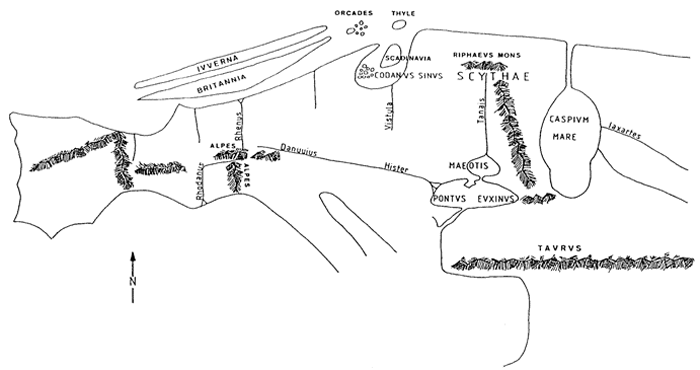
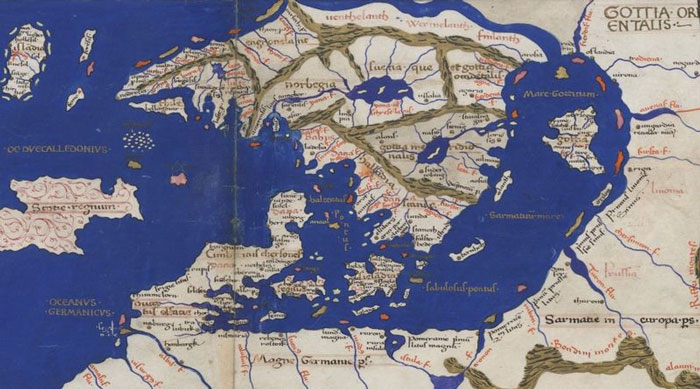
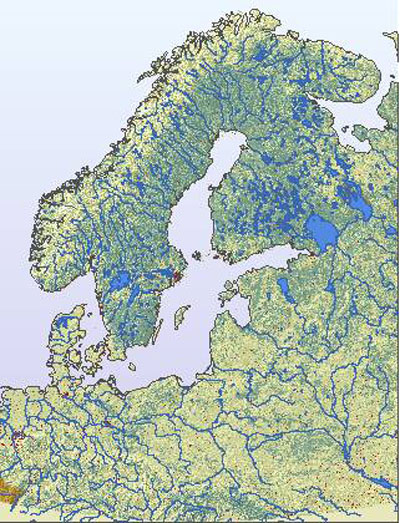
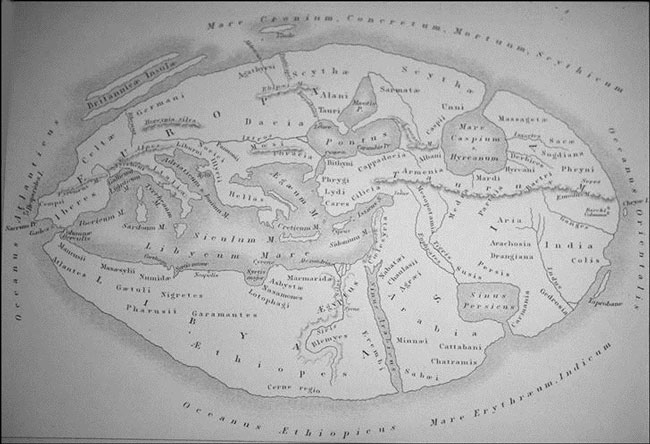
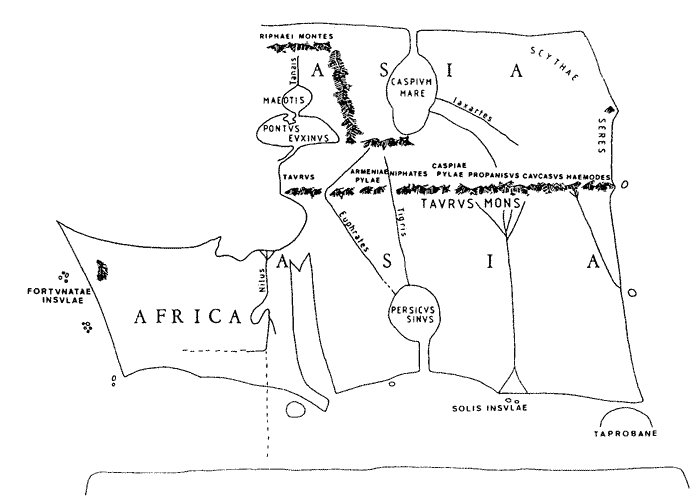
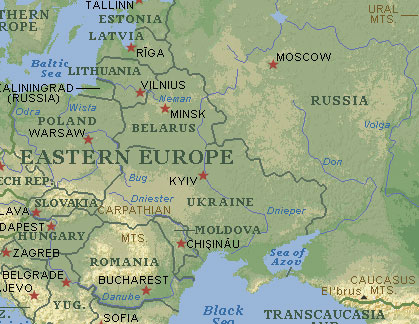
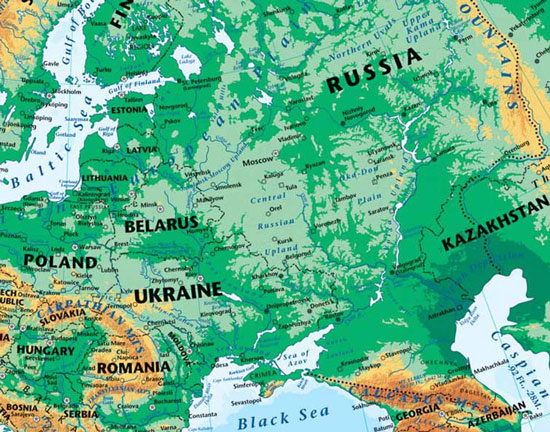
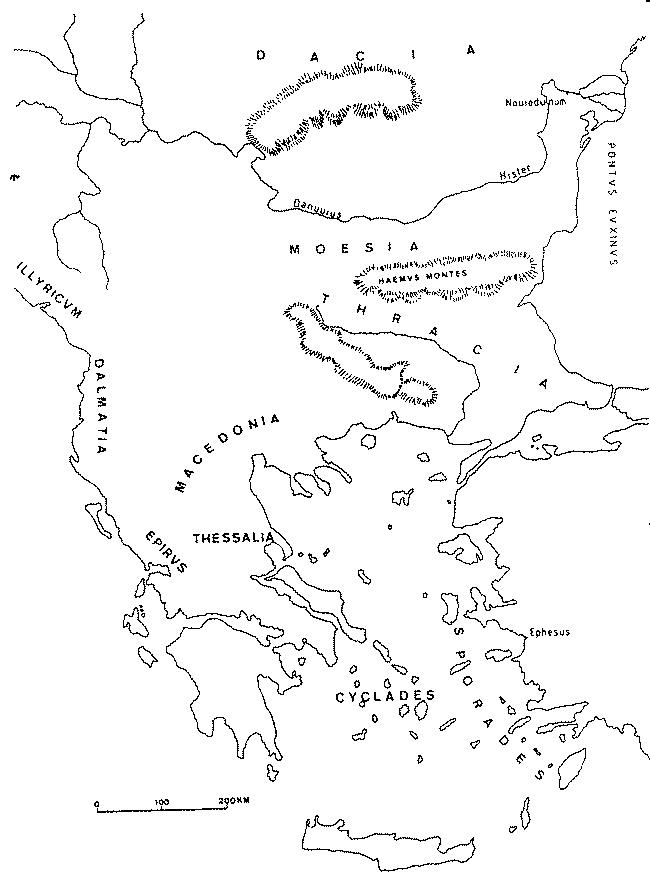
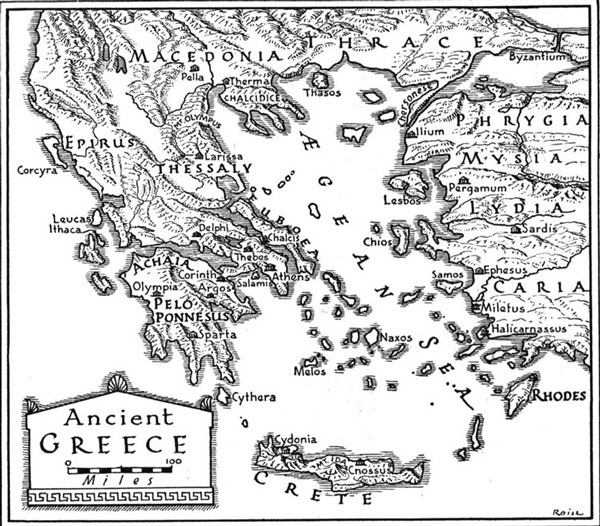
| Romana ⇐ (Complete) |
Getica Second half ⇒ |
->> >> >>⇈⇑⇈<< << <<-
| Deus vult ! | — Þeedrich ( Inscriptio electronica : Theedrich@harbornet.com ) |
| Dies immutationis recentissimæ : die Martis, 2016 Apr 19 |